
The Truth About Natural Marble Countertops: Are They Worth It for Your Home?
If you've spent any time browsing custom home inspiration online, you've probably noticed one material appearing again and again: natural marble countertops.
From timeless white kitchens to luxurious bathroom vanities, marble has become synonymous with elegance. Its soft veining and one-of-a-kind patterns create a look that few other materials can match. But here's what many homeowners don't discover until after they've moved in: natural marble is also one of the highest-maintenance countertop materials available.
That doesn't mean you should avoid it. In fact, we believe marble can be an excellent choice for the right homeowner. The key is understanding how it performs in everyday life before making your decision. At Roll Construction, we always encourage clients to choose finishes that fit not only the style of their home but also how they actually live. A beautiful home should continue serving your family well for decades, which means balancing appearance with durability, maintenance, and long-term practicality. If you're considering natural marble countertops for your custom home, here's what you should know before making your final decision.
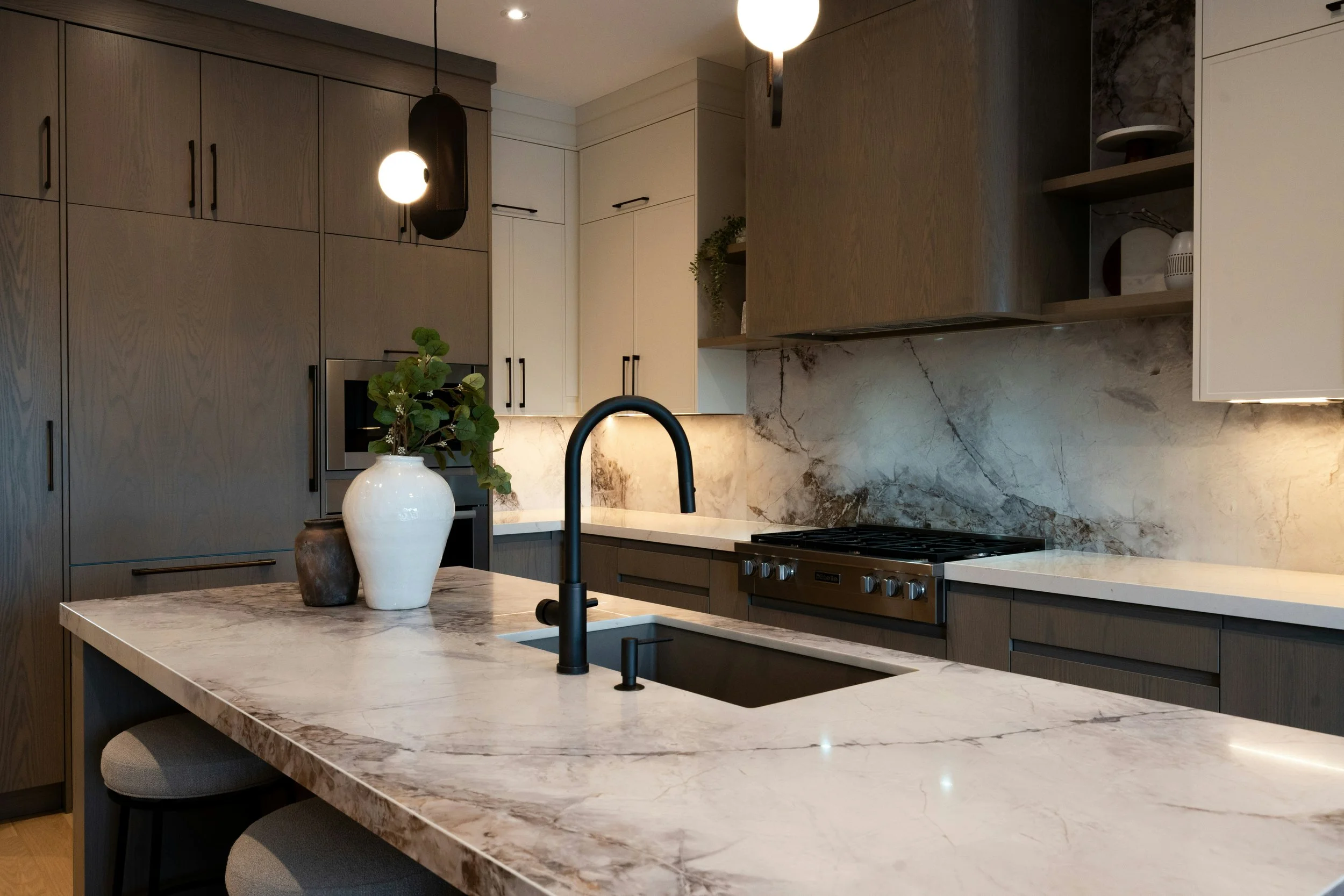
Why Natural Marble Countertops Continue to Be So Popular
There are very few materials that have stood the test of time quite like natural marble.
Long before it became a staple of modern kitchen design, marble was used in some of the world's most iconic architecture, sculptures, and historic buildings. From ancient Roman landmarks to grand European estates, its beauty and craftsmanship have made it one of the most sought-after natural stones for centuries. While design trends have come and gone, marble has remained a symbol of timeless elegance.
One of the biggest reasons homeowners continue to choose natural marble countertops is that no two slabs are exactly alike. Every piece is formed over millions of years beneath the earth's surface, creating distinctive veining, movement, and subtle color variations that simply can't be replicated by manufactured materials. Rather than looking mass-produced, marble gives a home a sense of individuality and character that many homeowners value when building a custom home.
Natural marble is also known for the way it interacts with light. Its soft surface and organic veining gently reflect natural light, helping kitchens and bathrooms feel brighter, more open, and inviting. Whether paired with traditional cabinetry, warm wood finishes, or a sleek contemporary design, marble has an understated elegance that complements almost any architectural style without feeling tied to a particular trend.
Another reason marble continues to appeal to homeowners is its authenticity. In an age where many products are engineered to imitate natural materials, marble is the real thing. Every subtle variation, fossil mark, and vein tells the story of how the stone was formed, giving homeowners a material with genuine history and character.
For many people building a forever home, that authenticity is part of the appeal. They're selecting a natural material that will age alongside the home itself, developing character over the years in much the same way that hardwood floors or handcrafted furniture do.
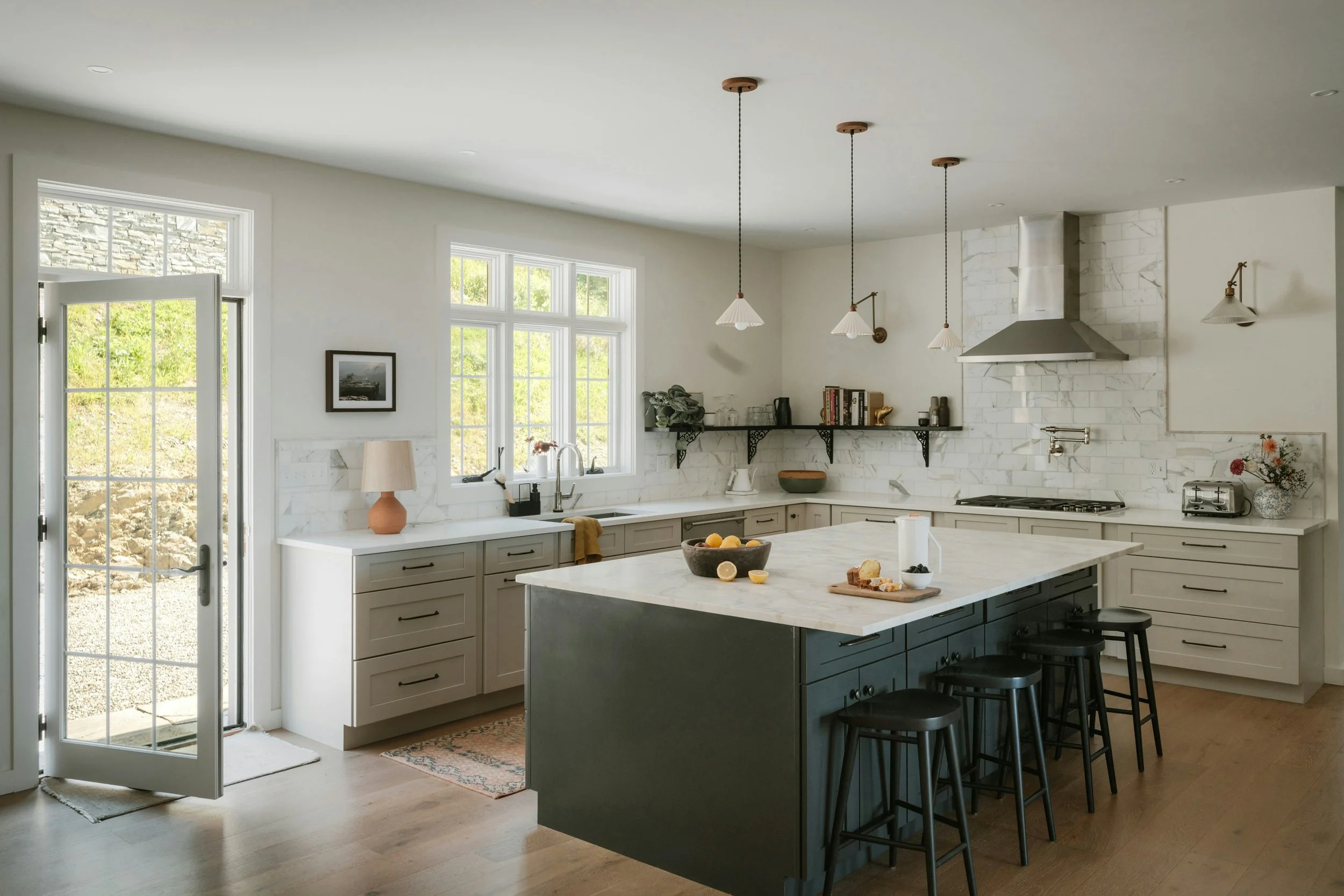
The Reality of Living With Natural Marble Countertops
This is where expectations become just as important as aesthetics.
One of the biggest misconceptions about natural marble countertops is that they're simply a more luxurious version of quartz or granite. While all three are beautiful countertop materials, they perform very differently in everyday life.
Marble is a naturally softer and more porous stone than granite, and unlike quartz, it hasn't been engineered to resist staining or scratching. That's not a flaw in the material. It's simply part of its nature. Understanding those characteristics before making your selection is one of the most important steps in deciding whether marble is the right fit for your home.
Homeowners often fall into one of two camps. The first appreciates marble for exactly what it is: a living natural material that develops a unique patina over time. They don't mind the occasional etch mark or subtle scratch because they see those imperfections as part of the home's story. Much like a well-loved leather chair or a reclaimed wood dining table, marble becomes richer in character the longer it's lived with.
The second group expects marble to behave like a maintenance-free surface. They envision it looking exactly the same ten years from now as it did on installation day. For these homeowners, the first water ring, etch mark, or stain can come as an unwelcome surprise.
Neither perspective is right or wrong. It simply comes down to personal expectations and lifestyle. If you're someone who enjoys cooking every day, has young children, or prefers finishes that require very little maintenance, another material may ultimately be a better fit. On the other hand, if you appreciate natural materials and understand that beauty doesn't always mean perfection, marble can be one of the most rewarding choices you make in your home.
That's why we always encourage clients to look beyond the showroom sample. It's easy to fall in love with the appearance of marble under perfect lighting, but it's just as important to imagine how that surface will perform after years of family dinners, holiday baking, coffee mornings, and everyday life.
Making that decision before construction begins is far easier than wishing you'd chosen differently once your home is complete. A countertop is one of the hardest-working surfaces in your home, and choosing the right material means finding the balance between beauty, functionality, and the way you truly live.
The Benefits of Natural Marble Countertops
A Timeless Look That Never Goes Out of Style
Every Natural Marble Slab Is Completely Unique
Naturally Cool Surface for Baking and Food Preparation
Marble Develops Character Over Time
Can Increase the Perceived Value of a Luxury Home
The Drawbacks You Should Consider
Every countertop material involves compromise, and natural marble is no exception.
While marble offers unmatched beauty and timeless appeal, it's important to understand how it performs in everyday life. Many homeowners choose marble knowing it will develop character over time, while others decide a lower-maintenance material better suits their lifestyle.
The key is making an informed decision before your home is built.
Marble Is Softer Than Many Other Countertop Materials
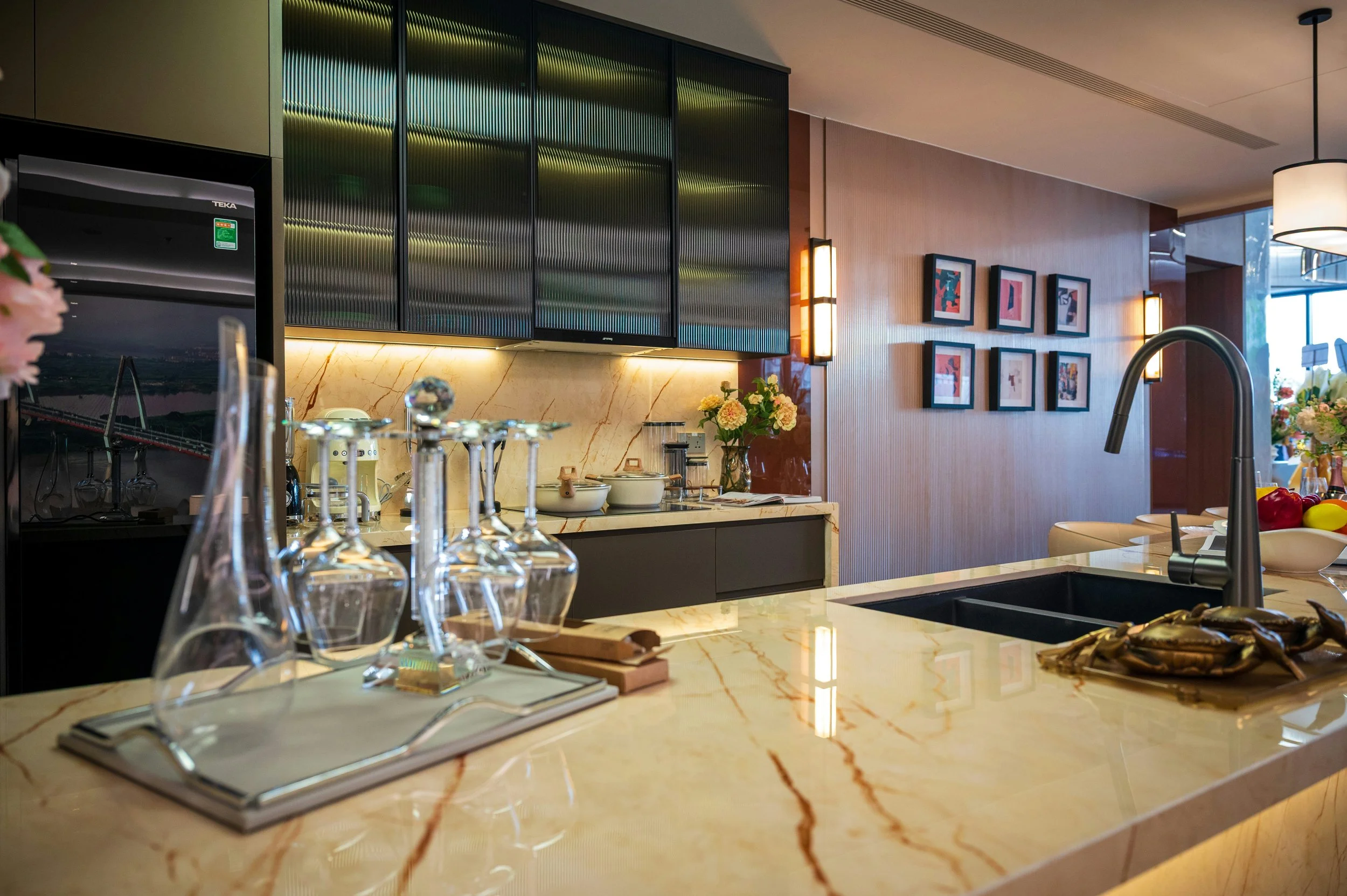
One of the biggest differences between marble and materials like quartz or granite is its hardness.
Marble is a relatively soft natural stone, which means it's more susceptible to scratches and small chips during everyday use. Cutting directly on the surface, sliding heavy cookware across the countertop, or accidentally dropping kitchen utensils can all leave marks over time.
For many homeowners, these minor imperfections become part of the stone's natural character and are barely noticeable within the unique veining of the marble itself. Others, however, prefer a countertop that maintains a flawless appearance with minimal effort. The good news is that light scratches can often be minimized or professionally polished if needed. Using cutting boards, avoiding unnecessary impact, and treating the surface with care will also help preserve its finish for many years.
If having a perfectly pristine countertop is important to you, quartz or granite may offer greater peace of mind. If you're comfortable with a surface that naturally evolves over time, marble remains a beautiful option.
Marble Can Etch From Everyday Kitchen Ingredients
Etching is probably the aspect of natural marble that surprises homeowners the most.
Unlike a stain, which changes the color of the stone, an etch mark affects the finish of the marble itself. When acidic substances come into contact with the surface, they react with the calcium carbonate found naturally within the stone, leaving behind a dull or slightly lighter spot. Some of the most common household items that can cause etching include lemon juice, vinegar, tomatoes, citrus fruits, wine, coffee and certain household cleaners.
The important thing to understand is that etching isn't the result of neglect. Even homeowners who take excellent care of their countertops may experience occasional etching simply through everyday cooking. For polished marble, etch marks tend to be more noticeable because they interrupt the reflective finish. A honed marble finish, on the other hand, often disguises etching much more effectively and is worth considering if you're concerned about long-term maintenance.
If you're someone who cooks frequently with acidic ingredients, it's worth discussing the different finish options with your builder or stone supplier before making your final decision.
Natural Marble Can Stain if Spills Aren't Cleaned Promptly
Because marble is a natural stone, it contains tiny pores that can absorb liquids if they're left sitting on the surface for too long.
Common kitchen ingredients such as olive oil, red wine, coffee, tea, berries, curry, and certain sauces all have the potential to leave stains if spills aren't wiped up promptly.
Fortunately, this doesn't mean marble stains easily under normal use. A properly sealed countertop provides a protective barrier that slows absorption and gives homeowners time to clean up everyday spills before they become a problem.
It's also worth noting that sealing doesn't make marble stain-proof. Instead, it makes the stone more stain-resistant by reducing how quickly liquids penetrate the surface.
Developing simple habits like wiping up spills as they happen, using coasters under drinks, and avoiding leaving oils or strongly colored foods on the countertop for extended periods can go a long way in keeping marble looking its best.
Marble Requires Ongoing Maintenance
Unlike engineered surfaces such as quartz, marble benefits from routine care to keep it performing well over the years. Depending on the type of marble and how heavily it's used, most countertops should be professionally resealed or treated with a penetrating stone sealer every six to twelve months.
Cleaning products also matter. Harsh chemicals, bleach, vinegar, and abrasive cleaners can damage both the sealer and the stone itself. Instead, it's best to use a pH-neutral cleaner specifically designed for natural stone or simply warm water with a soft microfiber cloth for daily cleaning. While these maintenance requirements aren't particularly difficult, they are an important consideration for homeowners who prefer low-maintenance finishes.
Marble May Not Suit Every Lifestyle
Ultimately, choosing marble without understanding what living with it actually involves is its biggest drawback.
For homeowners who love cooking elaborate meals every day, have young children, entertain frequently, or simply prefer surfaces that require very little upkeep, another countertop material may prove to be a better long-term fit. On the other hand, homeowners who appreciate natural materials, enjoy thoughtful craftsmanship, and understand that genuine stone develops character over time often find marble incredibly rewarding to live with.
Rather than asking whether marble is a "good" or "bad" countertop, we encourage clients to ask a different question: Is marble the right countertop for the way my family lives? The answer to that question will almost always lead you to the right decision.
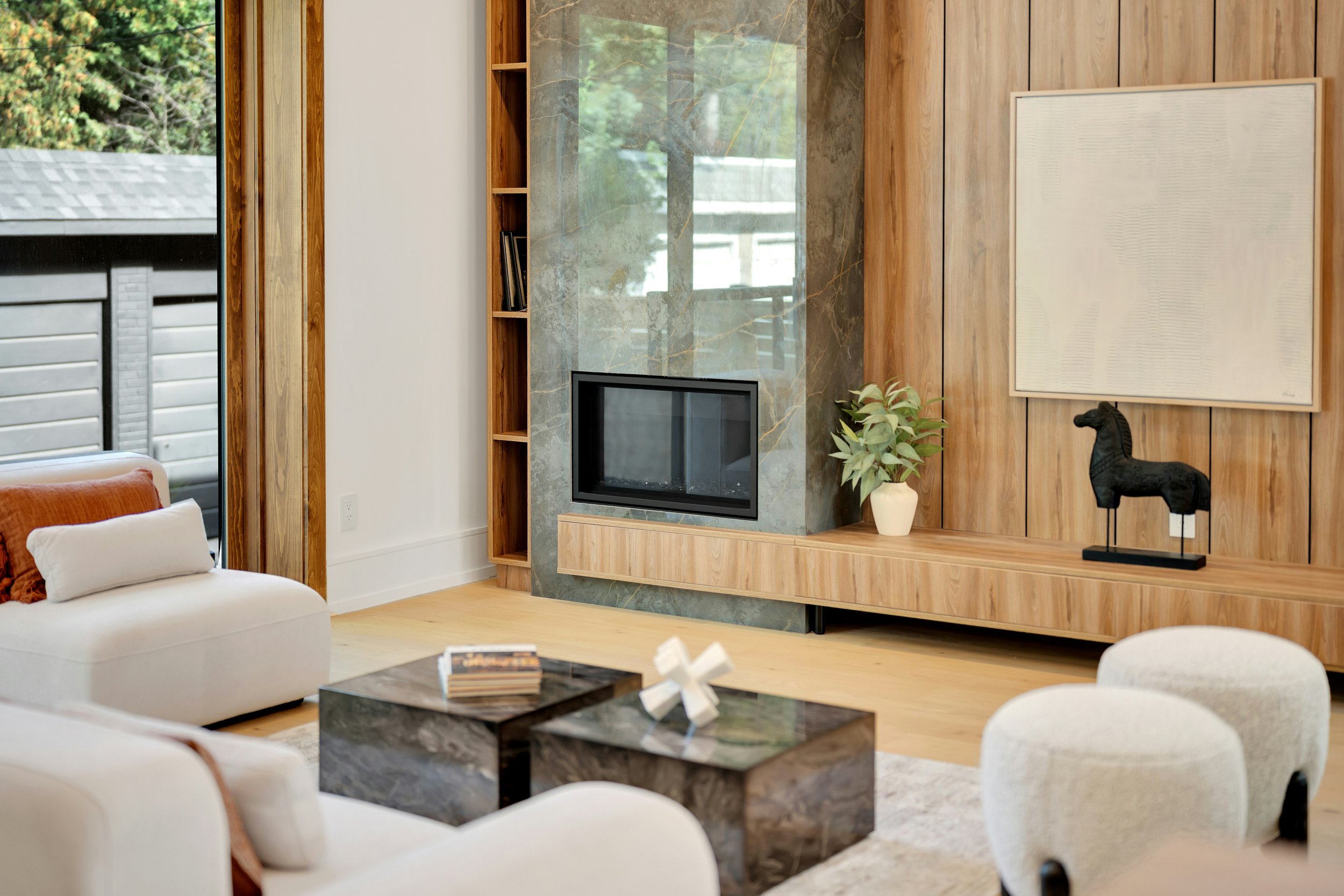
Where Natural Marble Countertops Work Best
One thing we often tell clients is that choosing marble doesn't have to be an all-or-nothing decision. In many custom homes, marble works beautifully when used intentionally.
Some of our favorite applications include:
Primary bathroom vanities
Fireplace surrounds
Baking stations
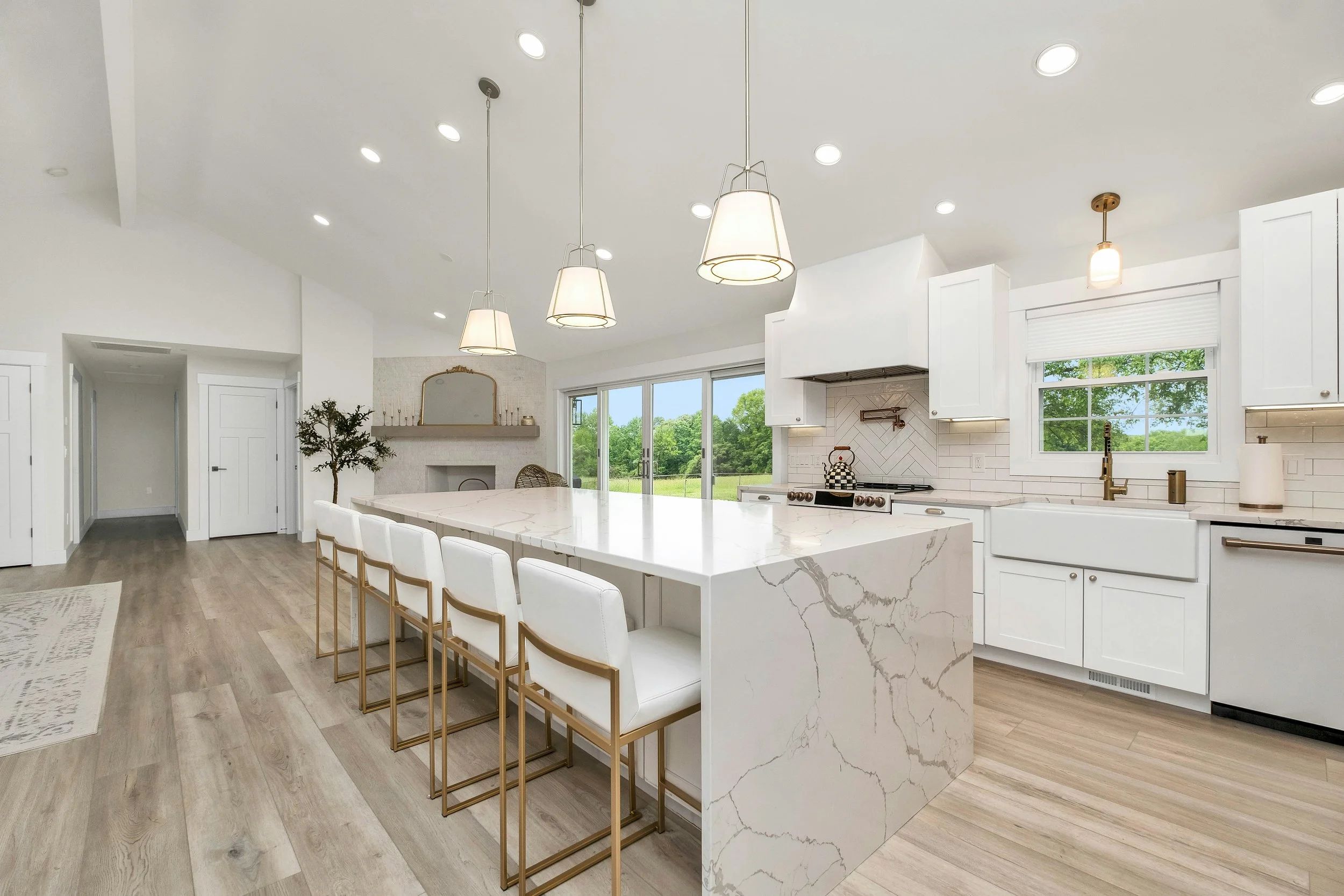
Feature kitchen island
Where We'd Think Twice About Using Natural Marble Countertops
Although natural marble can be an exceptional choice for the right home, there are certain situations where we'd encourage homeowners to carefully consider whether it's the best fit for their lifestyle. One of the biggest advantages of building a custom home is having the freedom to select materials that work for the way you and your family live. While marble offers unmatched beauty and timeless appeal, practicality should always be part of the conversation.
It's important to remember that choosing a different material doesn't mean compromising on quality. In fact, for many families, quartz countertops offer a better balance of durability, appearance, and ease of maintenance. Modern quartz surfaces are available in a wide variety of colors and patterns, including designs that closely resemble natural marble, while providing greater resistance to scratches, stains, and etching.
Ultimately, the best countertop is the one that complements your lifestyle, fits your expectations, and continues to perform well for years to come.
That's exactly how we encourage our clients to make every design decision throughout the custom home building process.
Questions to Ask Yourself Before Choosing Marble
Before selecting marble countertops, ask yourself a few honest questions:
Am I comfortable with natural materials changing over time?
Do I enjoy cooking every day?
Will small scratches or etching bother me?
Am I willing to perform occasional maintenance?
Am I choosing marble because I genuinely love it, or because it's currently popular?
Final Thoughts
Natural marble countertops remain one of the most beautiful and timeless choices available for a custom home. Their elegance, individuality, and rich history make them a favorite for homeowners who appreciate authentic materials and craftsmanship. At the same time, marble asks something in return. It requires thoughtful care, realistic expectations, and a willingness to embrace the character it develops over time. At Roll Construction, we believe the best building decisions are about choosing finishes that fit the way you'll live in your home for years to come.
Whether you ultimately choose marble, quartz, granite, or another surface altogether, our goal is the same: to help you make informed decisions with confidence so your custom home continues to serve your family beautifully for generations.
