
Say Goodbye to Cold Minimalism: The Return of Tactile and Organic Textures in 2026
Natural Textures and Organic Materials: The 2026 Standard for North Carolina Homes
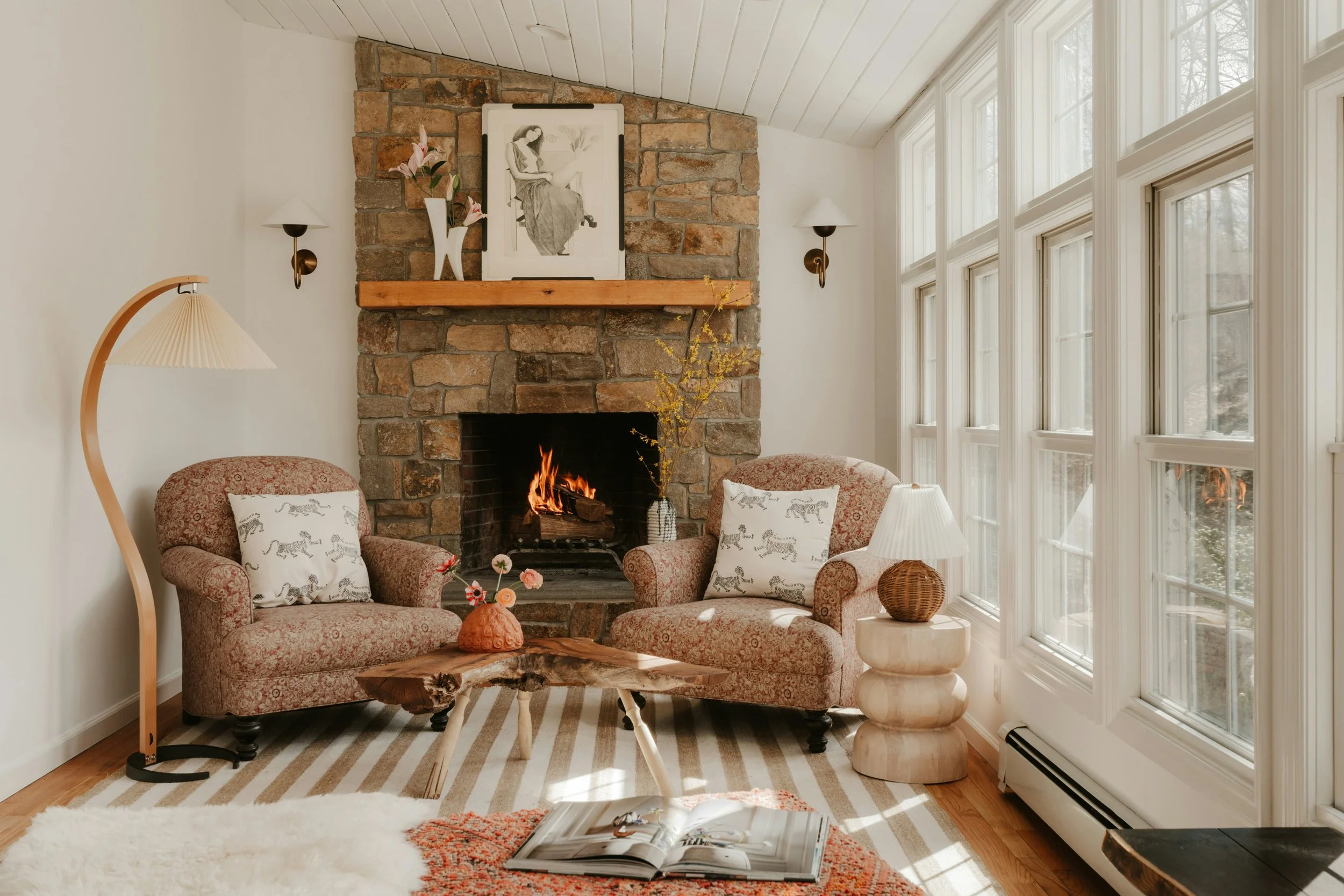
Design data from across the globe indicates a major turning point in residential architecture. The era of sterile, high-contrast minimalism is fading as an international movement toward organic warmth gains momentum. This global shift is now making a definitive impact on homes throughout the region. Local projects increasingly mirror these worldwide preferences for materials that offer tactile depth and visual history. We are observing a widespread transition toward grounded environments that prioritize comfort over clinical perfection. This evolution is reshaping the standard for custom builds throughout Alamance, Orange, Durham, Caswell, Guilford, and Chatham counties.
Considering a new build? Explore our Custom Home services to see how we bring intentional design to life in North Carolina.
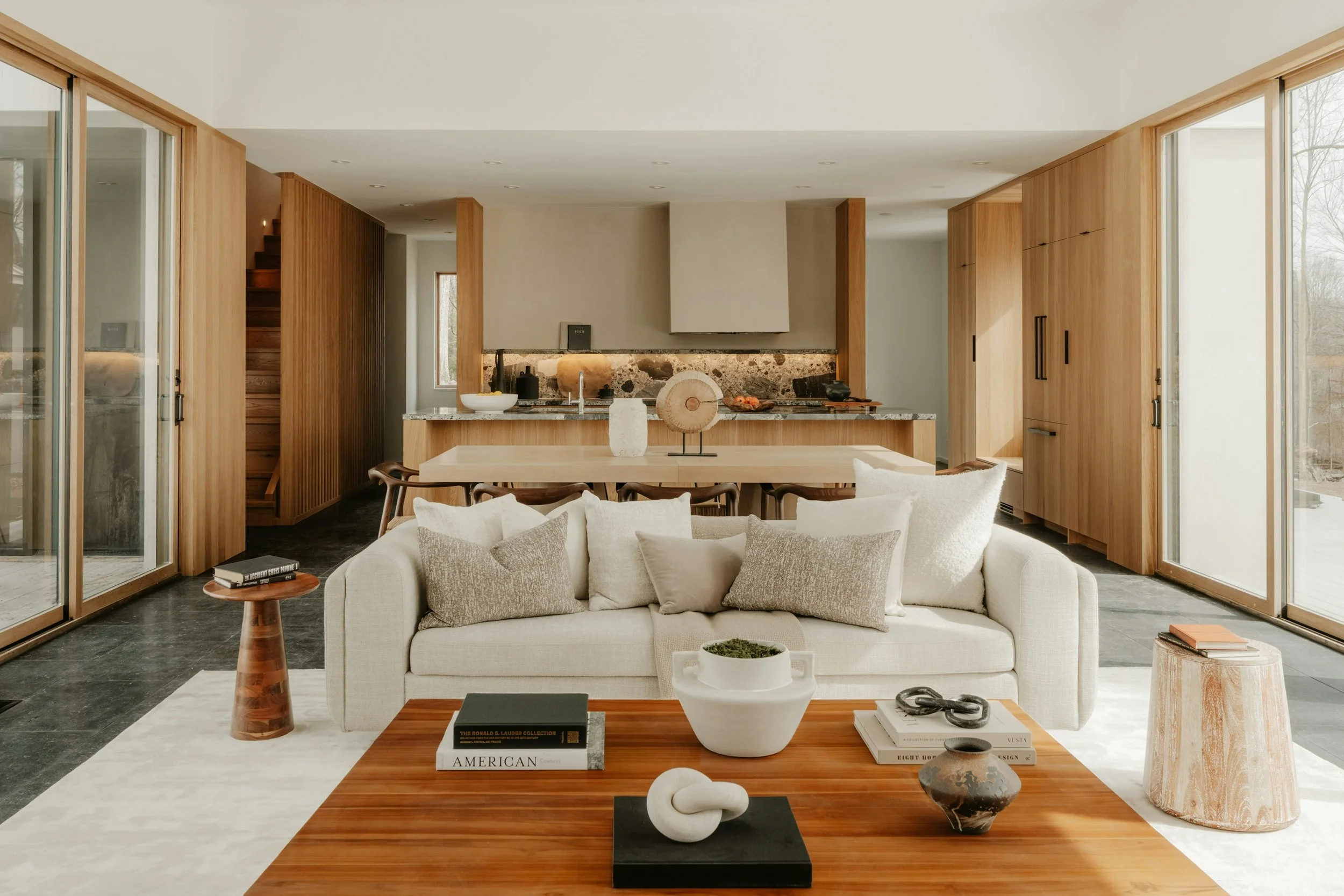
Current Observations: Wood Species and Grain Patterns
A significant aspect of this global trend is the move toward wood species that showcase inherent character. Modern design now prioritizes the unique grain patterns and natural imperfections that were once hidden by dark stains or paint. There is also a measurable increase in the use of local materials to reduce the environmental impact of new construction. Utilizing regional timber supports the local economy while ensuring the home feels connected to its specific North Carolina setting.
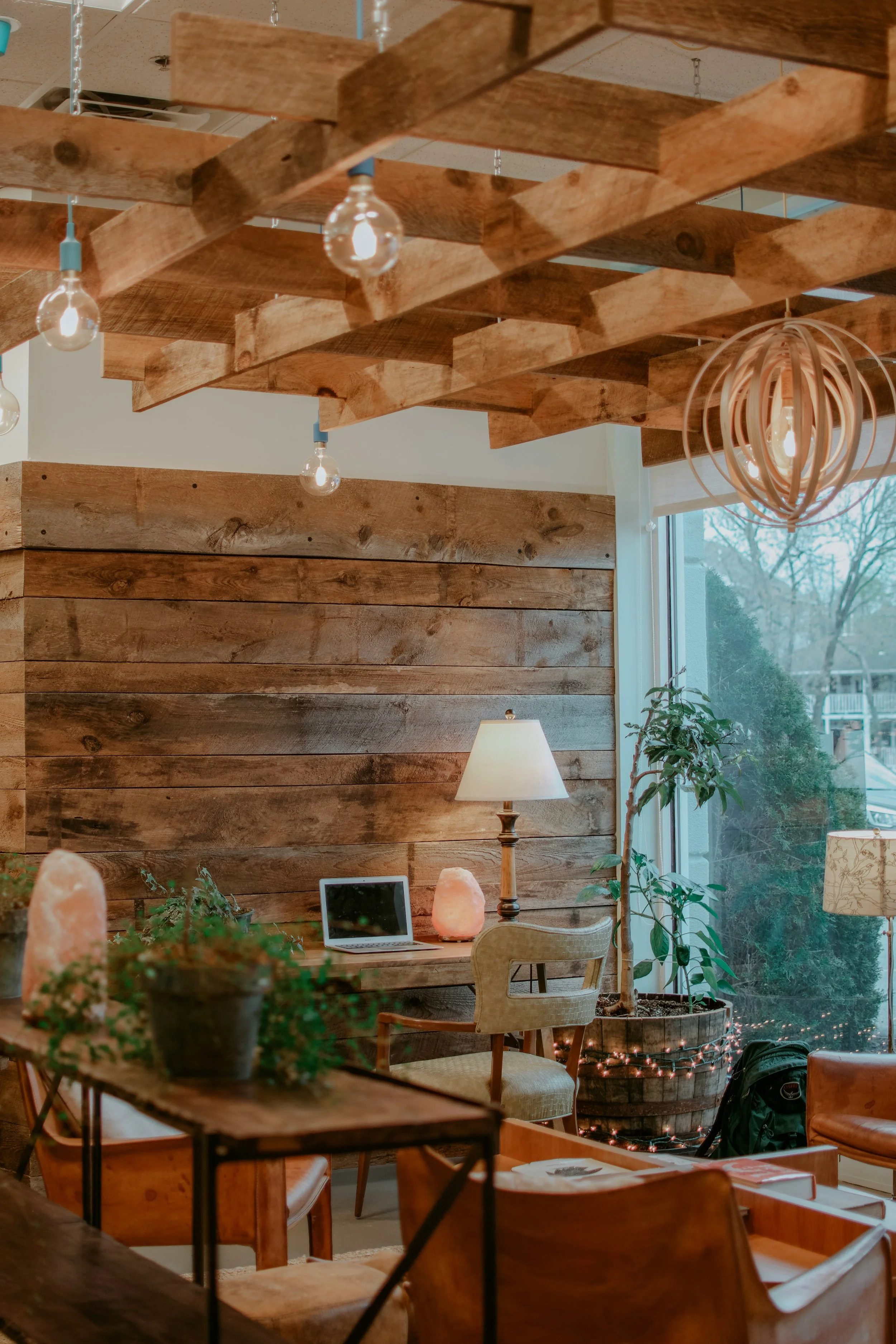
Designing for the Senses: A Room-by-Room Material Guide
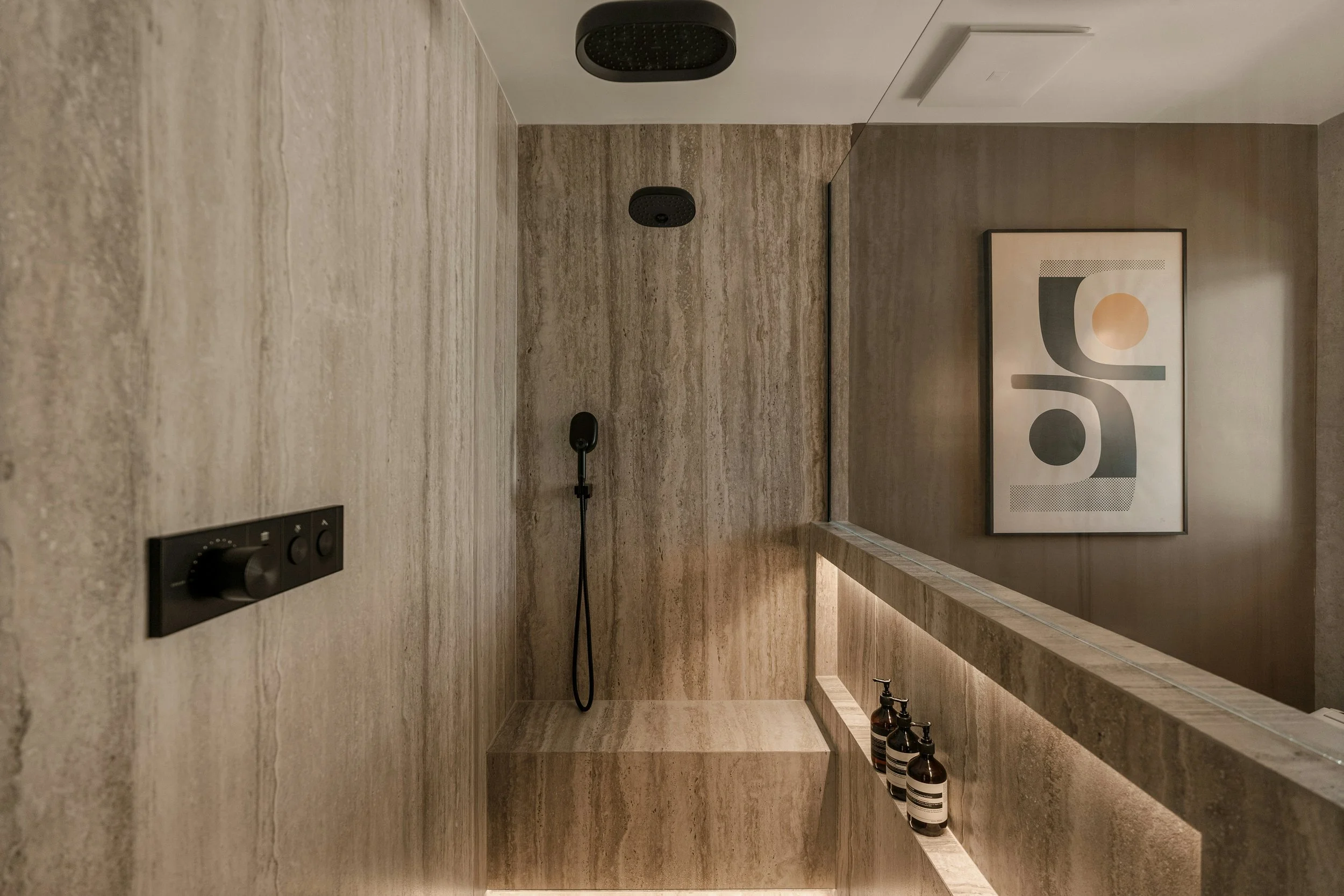
The global movement toward organic interiors is driven by the understanding that different living spaces require unique sensory signatures. This isn't just about a visual aesthetic; it is about how a room feels and functions. Homeowners are increasingly selecting materials based on how they interact with light, touch, and daily use. By moving away from synthetic finishes, these spaces gain a sense of permanence and warmth that evolves with the home.
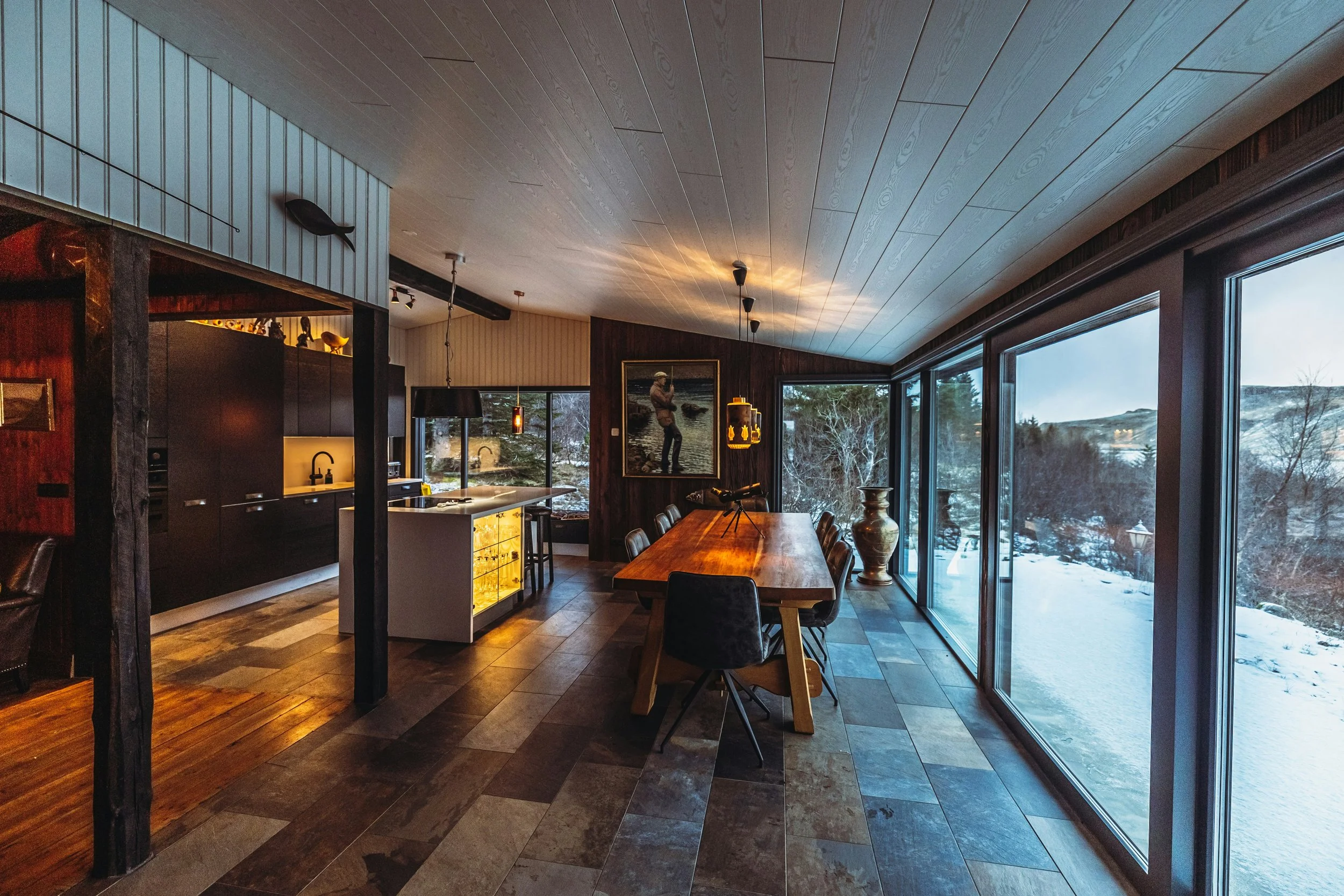
Bridging the Indoor and Outdoor Gap
The data from 2026 highlights a strong desire to remove the visual barriers between a home and its surroundings. This is often achieved through large-scale glass installations paired with natural wood ceilings. We can expect to see this design language gradually becoming popular for custom homes across the Triad and Triangle. Using stone flooring that continues from the interior to the patio creates a seamless transition. This makes the home feel like a natural extension of the landscape.
The Philosophy of Intentional Building
The choice to use natural materials reflects a broader philosophy of building with integrity. Organic elements often offer better durability and a lower carbon footprint than their synthetic counterparts. Utilizing local stone and timber ensures each home is a healthy, enduring space for the families we serve.
Frequently Asked Questions
Are natural materials more difficult to maintain than synthetic options?
Natural materials require specific care but offer superior longevity. For example, soapstone countertops are non-porous and do not require chemical sealers. Using the correct cleaners ensures these surfaces age beautifully and develop a unique patina over time.
How do I incorporate natural textures into a modern home design?
A focused approach is the most effective way to avoid overwhelming a space. Pairing rift sawn white oak cabinetry with clean hardware creates a modern balance. Incorporating a single lime wash accent wall adds depth without sacrificing a minimalist aesthetic.
Does using organic materials increase the overall cost of a custom build?
Natural materials often involve a higher initial investment than synthetic alternatives. This choice pays off through increased property value and reduced long-term replacement needs. We help our clients prioritize high-impact areas to maximize their budget while maintaining a luxury feel.
What is the benefit of working with a business like Roll Construction?
Our team provides direct oversight from the initial design phase through final construction. This unified approach prevents communication gaps between different contractors. We ensure your specific vision for natural materials is executed with technical precision and fiscal responsibility.
How does Roll Construction source materials for local projects?
We prioritize partnerships with regional suppliers and craftsmen throughout North Carolina. This local focus ensures quality control and supports the economy within our service area. Our team personally inspects stone and wood selections to verify they meet our standards for integrity and durability.
Ready to move beyond grey and white?
Download our Project Roadmap to learn how Roll Construction manages the custom build process from the first organic finish to the final walkthrough.
