
[FREE] Home Affordability Calculator for Central North Carolina | September 2026
Buying or building a home is a significant financial decision, and one of the first questions most homeowners ask is simple: How much home can I actually afford?
Our Central North Carolina Home Affordability Calculator is designed to give you a starting point. By entering your household income, monthly debt, available cash, county, mortgage type, interest rate, loan term, property taxes, insurance, HOA costs, and estimated closing costs, you can get a planning estimate for a comfortable home price and an estimated maximum purchase price.
The calculator is designed for homeowners in Alamance, Caswell, Orange, Guilford, and Durham Counties, with assumptions based on 2026 financing and housing costs.

Try the Home Affordability Calculator
Before you start comparing floor plans, browsing available properties, or looking at potential lots, it helps to understand the financial range you're working within.
Use the calculator below to estimate a comfortable target and maximum home price based on the information you provide.
Keep in mind that this is a planning tool, not a mortgage prequalification or preapproval. Your actual borrowing capacity will depend on your lender, credit profile, income documentation, debts, reserves, loan program, property taxes, insurance, interest rate, and other factors.
For the most accurate number, use the calculator as a starting point and then speak with a qualified lender.
What Determines How Much Home You Can Afford?
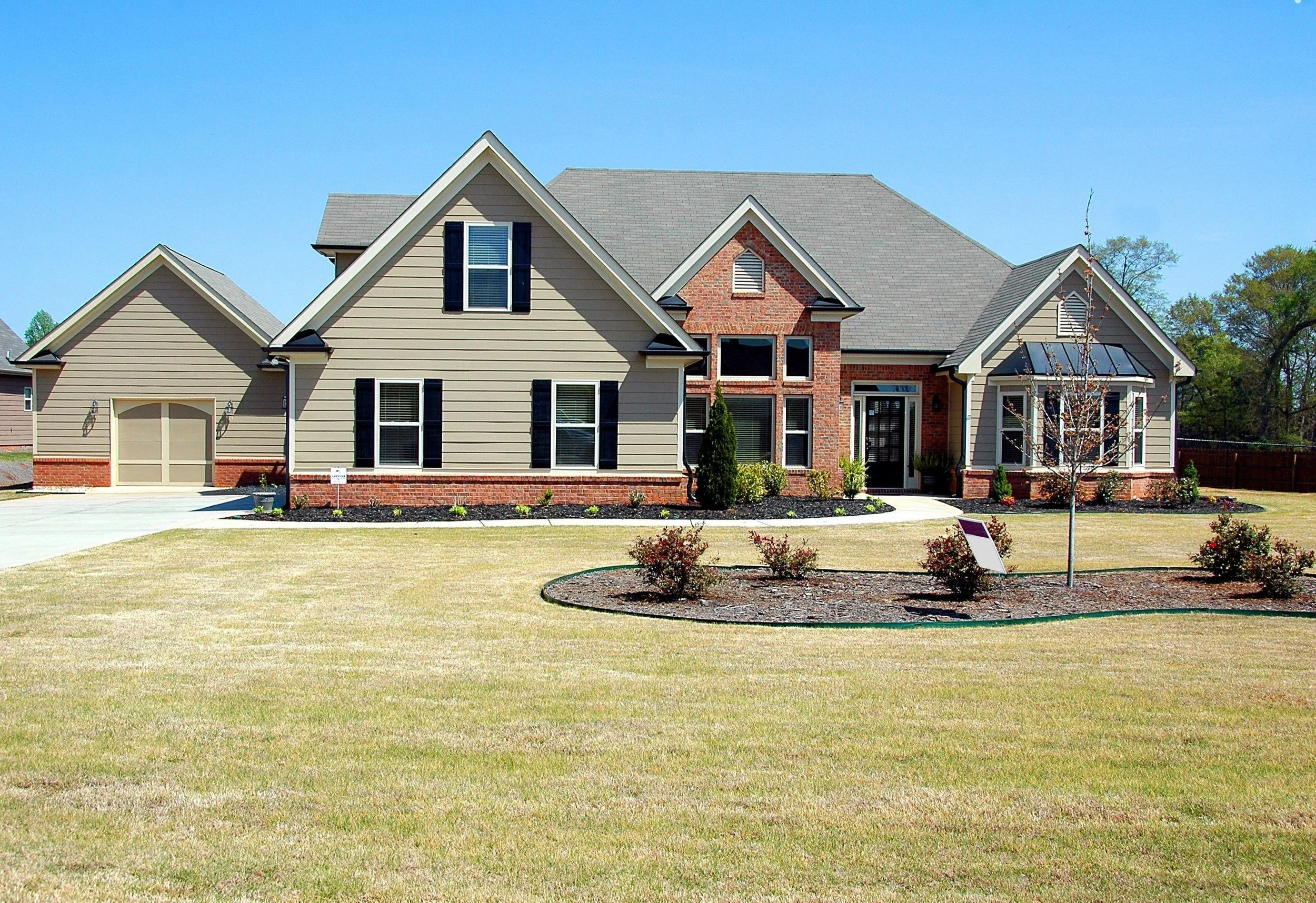
There is more to affordability than your annual income.
Two households with the same income can have very different purchasing power depending on their monthly debt, available cash, interest rate, taxes, insurance, and financing program.
Your income and existing debt
Lenders look at your income alongside your recurring monthly debt obligations. A car payment, student loan, credit card balance, or other debt can affect how much of your income is available for a housing payment.
That's why our calculator asks for both annual household income and monthly debt payments rather than looking at income alone.
Your available cash
Your available funds can affect the purchase price you can comfortably pursue, particularly when you're considering the down payment and estimated closing costs.
The calculator allows you to enter the total amount of cash you could put toward the purchase. It then considers the estimated down payment and closing costs when determining whether a particular purchase price fits within that amount.
Your mortgage type
Different loan programs have different requirements.
The calculator includes conventional, FHA, VA, and USDA options so you can see how the financing structure can affect an affordability estimate.
These programs have different down payment requirements, loan limits, mortgage insurance rules, funding fees, and eligibility requirements. The calculator uses planning assumptions, so your lender should always be the final source for program-specific requirements.
Interest rates
Interest rates have a major effect on monthly payments.
Even a relatively small change in the interest rate can change how much principal and interest you pay each month. That's why the calculator allows you to adjust the interest rate rather than assuming that one rate applies to every buyer.
If you're comparing homes or considering a custom build, it's useful to run a few scenarios at different rates to see how sensitive your budget is.
Don't Forget About Closing Costs
The purchase price of a home isn't necessarily the amount of cash you'll need to bring to closing.
Closing costs can include expenses associated with the lender, title services, recording, prepaid items, and other parts of the transaction. The exact amount varies depending on the property, lender, loan program, location, and transaction.
For planning purposes, the calculator uses an estimated closing-cost percentage that you can adjust yourself.
For example, if you enter a 3% estimate, the calculator applies that percentage to the purchase price and adds the resulting amount to the required down payment to estimate your total cash needed.
This is intentionally an estimate. Once you're working with a lender on a specific property, you'll want to use the lender's actual numbers rather than relying on a general percentage.
Where Are You Looking to Buy or Build?

Location matters too.
Property taxes, loan limits, insurance costs, HOA fees, land availability, permitting requirements, and home prices can all vary throughout Central North Carolina.
That's particularly important if you're considering building a custom home. The price of the house itself is only one part of the overall project. Your lot, site conditions, utilities, grading, septic requirements, driveway, landscaping, and other site-specific factors can also affect your total investment.
If you're still looking for the right location, you can explore our blogs like the Alamance County Guide to see the life and culture in areas that Roll Construction serve.
Buying a Home vs. Building a Custom Home
If your affordability range puts you in the market for a home that doesn't quite exist yet, building may be worth considering.
A custom home gives you the opportunity to make decisions about the layout, size, finishes, storage, energy efficiency, and features based on how you actually intend to live.
That doesn't necessarily mean building the largest house you can afford.
In fact, one of the most important parts of custom home planning is understanding where your budget creates the most value for your lifestyle.
A well-designed home can prioritize the spaces you use every day rather than spending your entire budget on square footage.
If you're interested in what that process looks like, our Custom Home Building page explains how Roll Construction works with homeowners from the initial consultation through design, planning, construction, and completion.
See What We've Built
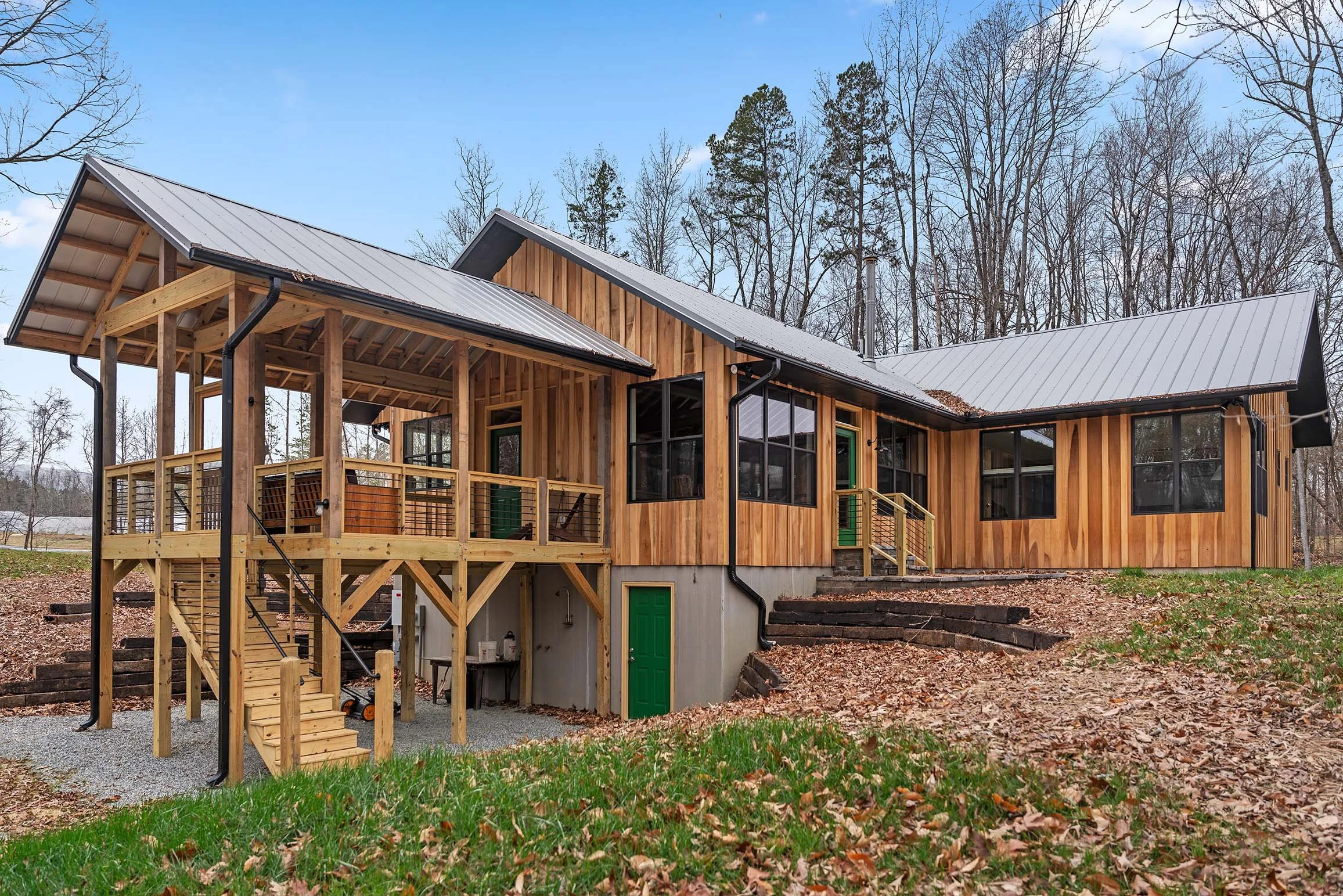
If you're trying to understand what your budget could translate into in the real world, one of the best places to start is by looking at completed projects.
Our Residential Projects portfolio includes examples of custom homes, renovations, additions, and other residential work completed throughout the region.
Seeing completed projects can help you think beyond a number on a calculator and start considering what you actually want your home to feel like and how you want it to function.
Planning to Build? Start With the Lot
For future custom homeowners, the lot can be just as important as the house.
A beautiful floor plan doesn't automatically work on every property. Topography, setbacks, access, utilities, drainage, septic requirements, orientation, and other site conditions can all influence what can be built and what it will cost.
That's why we encourage homeowners to think about the property and the home together rather than treating the lot as an afterthought.
If you're already looking at land in Alamance County, Burlington, Graham, Mebane, or the surrounding Central North Carolina area, our team can help you think through the next steps.
How Much Should You Spend on a Home?
There isn't one universal number that makes a home "affordable." A lender may tell you the maximum amount you qualify for, but that doesn't necessarily mean it's the amount you want to spend.
Your own comfort level matters. You may want room in your monthly budget for travel, savings, childcare, renovations, hobbies, or simply the flexibility to handle unexpected expenses. That's why our calculator lets you select a comfortable housing-payment percentagerather than only showing a maximum number.
For some buyers, the right home is the largest one they can qualify for. For others, it's the home that gives them the most flexibility after the mortgage is paid. The goal is to understand the difference.
Thinking About Building in Central North Carolina?
If you've used the calculator and have a general idea of what you can afford, the next step is to start turning that number into a realistic project.
At Roll Construction, we build custom homes throughout Alamance, Orange, Durham, Chatham, and Caswell Counties, working with homeowners who want a thoughtful, personalized building experience.
We can help you think through the home itself, the property, the scope of the project, and the process required to bring it together.
You can learn more about our custom home building process, explore completed residential projects, or take a look at available lots and homes before reaching out.
And if you're ready to talk through your specific goals, we'd be happy to have a conversation.
[LINK: Contact Roll Construction]
A Note About This Calculator
This calculator is intended for educational and planning purposes only. It does not constitute mortgage advice, a prequalification, preapproval, loan estimate, or underwriting decision.
The results are estimates based on the information entered and the assumptions used by the calculator. Actual affordability and financing terms can vary based on your lender, credit history, income, debts, loan program, interest rate, property taxes, insurance, closing costs, property characteristics, and other factors.
Estimated closing costs are provided as a planning assumption only and should not be considered a substitute for a lender's official Loan Estimate.
For a more accurate understanding of what you can afford, we recommend speaking with a qualified mortgage lender before making a purchase or construction decision.
Ready to Explore What's Possible?
Explore what Roll Construction has built, browse available opportunities, and get in touch with our team when you're ready to talk about your next home.
