
2026 Spring Home Maintenance Checklist: Refresh Your Home for the Season Ahead
As winter fades and warmer days arrive across North Carolina, spring is the perfect time to give your home some attention. Seasonal home maintenance not only keeps your property looking its best, but it also helps prevent small issues from turning into costly repairs later in the year.
North Carolina’s climate presents unique challenges for homeowners. Winter can bring temperature fluctuations, while spring introduces heavier rains, pollen, and rapid plant growth. These seasonal shifts make it especially important to inspect your home and prepare it for the warmer, more humid months ahead.
To help make the process easier, we’ve created a free printable Spring Home Maintenance Checklist designed specifically for homeowners in North Carolina. You can download it by subscribing to our newsletter or entering your email, and it’s a resource you can use year after year to stay on top of seasonal home care.
Below are some of the key areas every homeowner should inspect and maintain this spring.
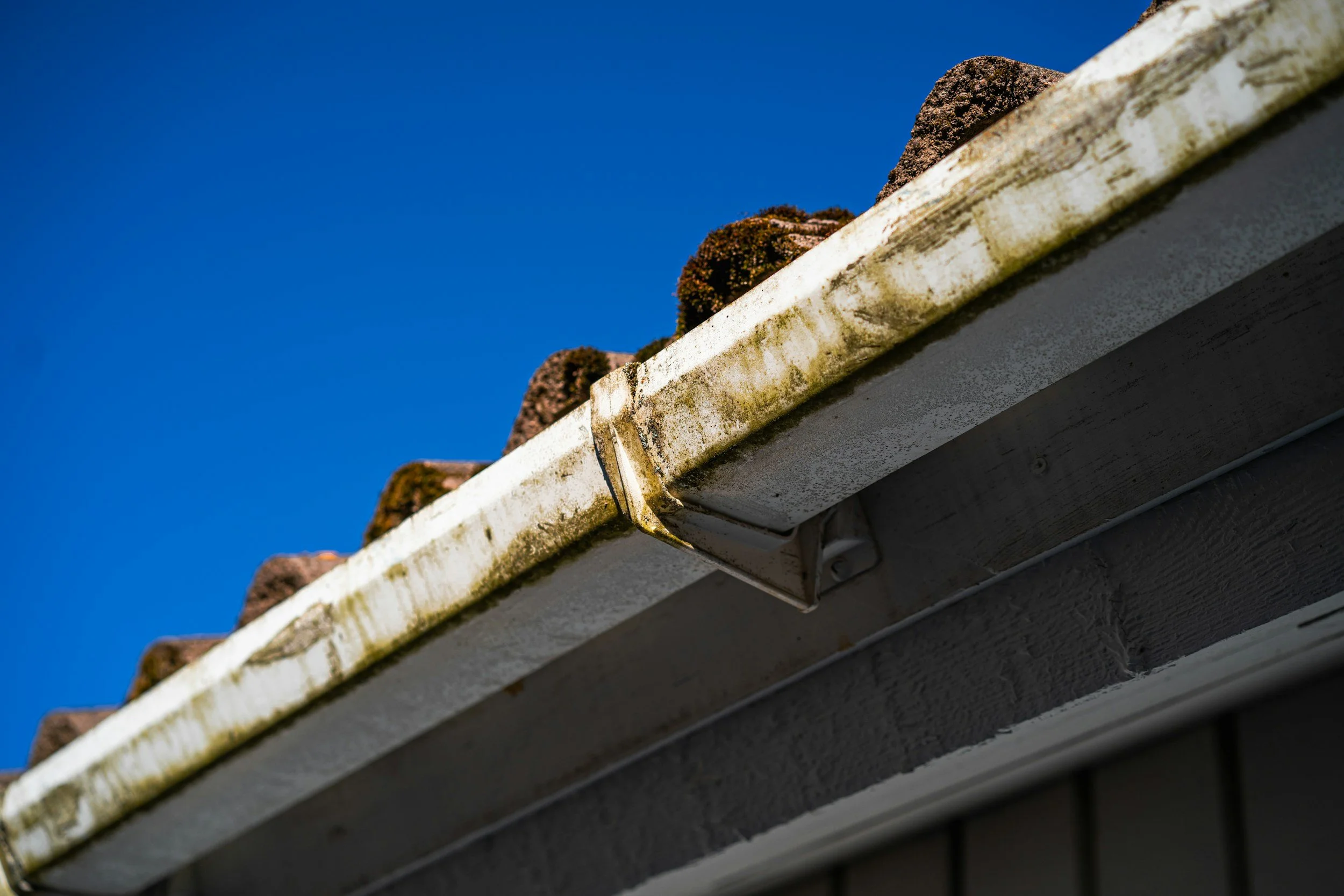
#1 Inspect Your Roof and Gutters
Your roof is one of the most important components protecting your home from the elements. Winter weather, wind, and storms can sometimes loosen shingles or damage flashing around vents and chimneys.
Start by inspecting your roof from the ground or using binoculars to look for missing shingles, curling edges, or dark patches that could indicate wear. If you notice anything concerning, scheduling a professional inspection can help catch issues early before they lead to leaks.
Cleaning your gutters is equally important in the spring. Leaves, twigs, and debris often accumulate over the winter months and can block water from flowing properly. When gutters are clogged, rainwater can overflow and damage siding, landscaping, or even your home’s foundation. Clearing them now will help ensure they work effectively during spring storms.
It’s also worth paying attention to areas where different roof surfaces meet, such as valleys or where the roof connects to walls or dormers. These areas tend to collect debris and can become vulnerable points for water infiltration if not maintained. Regular inspections help extend the lifespan of your roofing materials and protect the interior of your home from hidden water damage that may not become visible until months later.
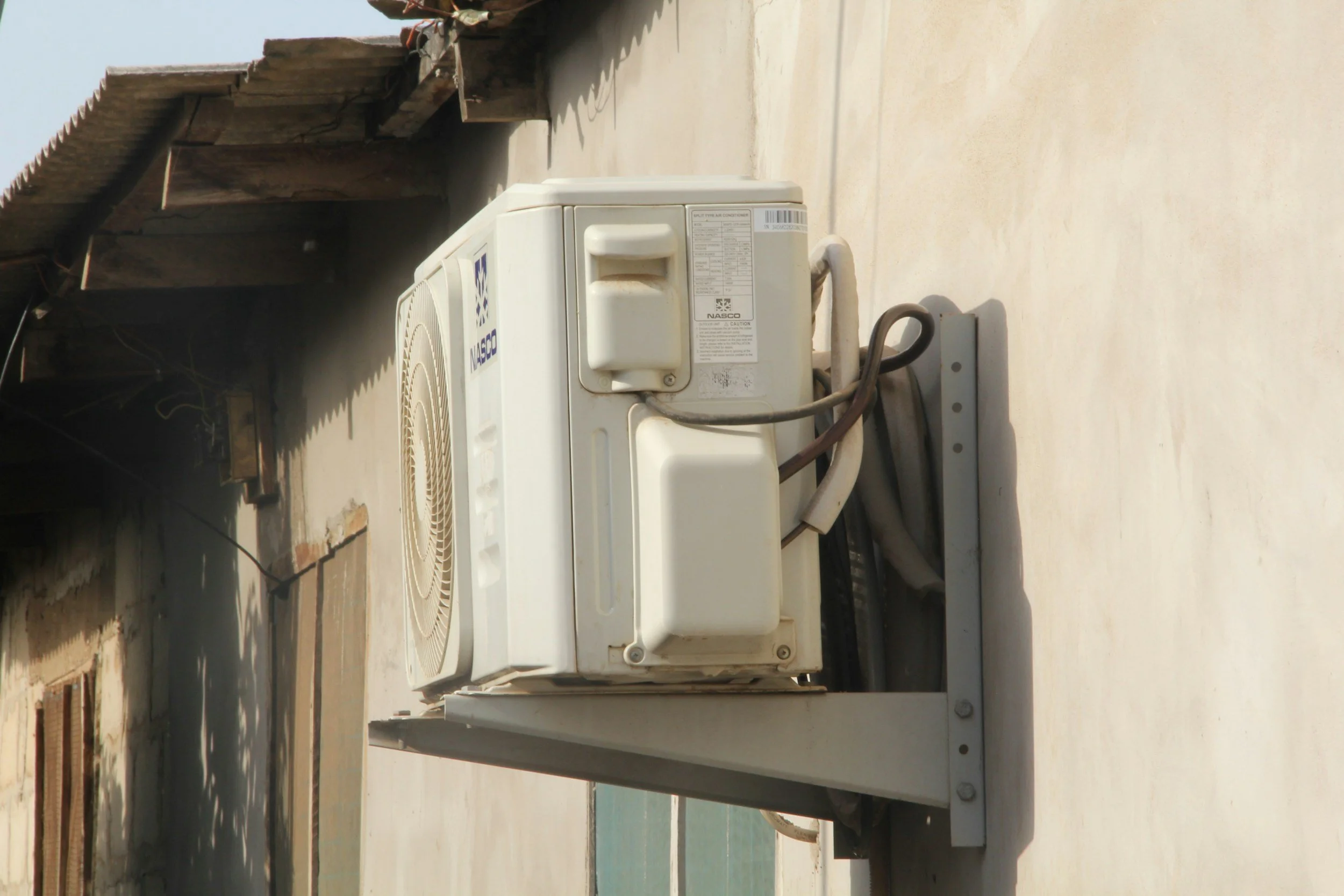
#2 Service Your HVAC System Before Summer
As temperatures rise, your air conditioning system will soon become one of the hardest-working systems in your home. Preparing your HVAC system early in the spring can help prevent breakdowns during the hottest months of the year.
Start by replacing the air filter. A clean filter improves airflow and helps your system run more efficiently. It’s also a good idea to clear leaves and debris away from the outdoor condenser unit to ensure proper ventilation.
Many homeowners also schedule a seasonal HVAC inspection during spring. A professional technician can check refrigerant levels, inspect components, and ensure your system is ready for summer. Regular maintenance can extend the lifespan of your equipment and help reduce energy costs.
In addition to improving efficiency, proper HVAC maintenance can also improve indoor air quality. Spring brings a surge of pollen and allergens, and your HVAC system plays a key role in filtering the air circulating through your home. Replacing filters regularly and ensuring the system is clean can make a noticeable difference in comfort, especially for households that are sensitive to seasonal allergies.
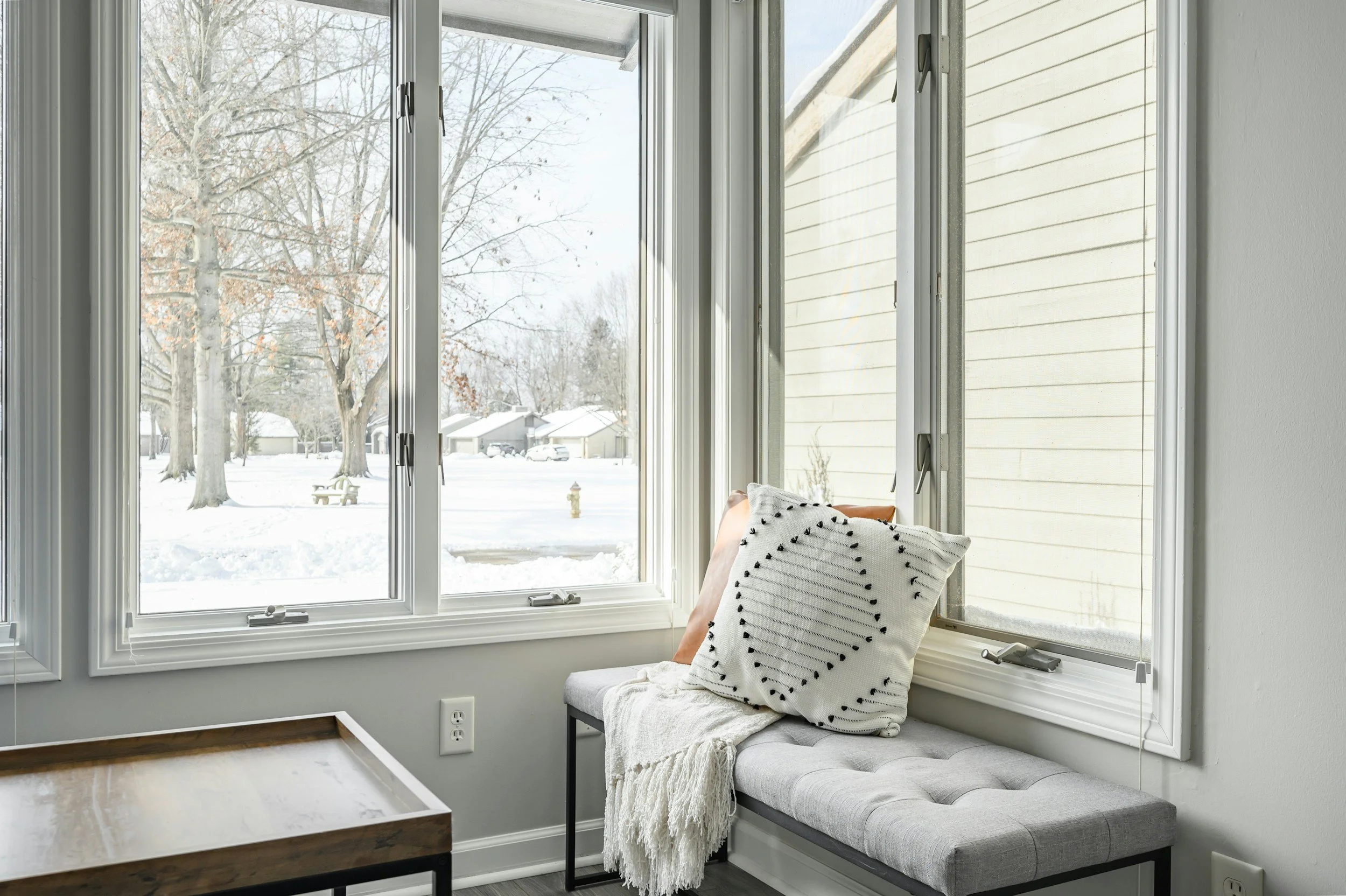
#3 Check Windows, Doors, and Weather Sealing
Windows and doors play a major role in your home’s energy efficiency and comfort. Over time, weather stripping and caulking can deteriorate, allowing outside air and moisture to enter the home.
Walk around your home and check for cracked or missing caulking around window frames. Replace worn weather stripping on doors to improve insulation and prevent drafts.
Spring is also a great time to clean window screens and tracks. After months of closed windows, clearing away dust and pollen will allow fresh air to circulate freely throughout your home.
Checking windows and doors can also help identify opportunities to improve energy efficiency throughout the home. Even small gaps can allow conditioned air to escape, causing your HVAC system to work harder than necessary. Over time, sealing these areas properly can reduce energy costs while also making the home more comfortable during both hot summers and cooler winter months.
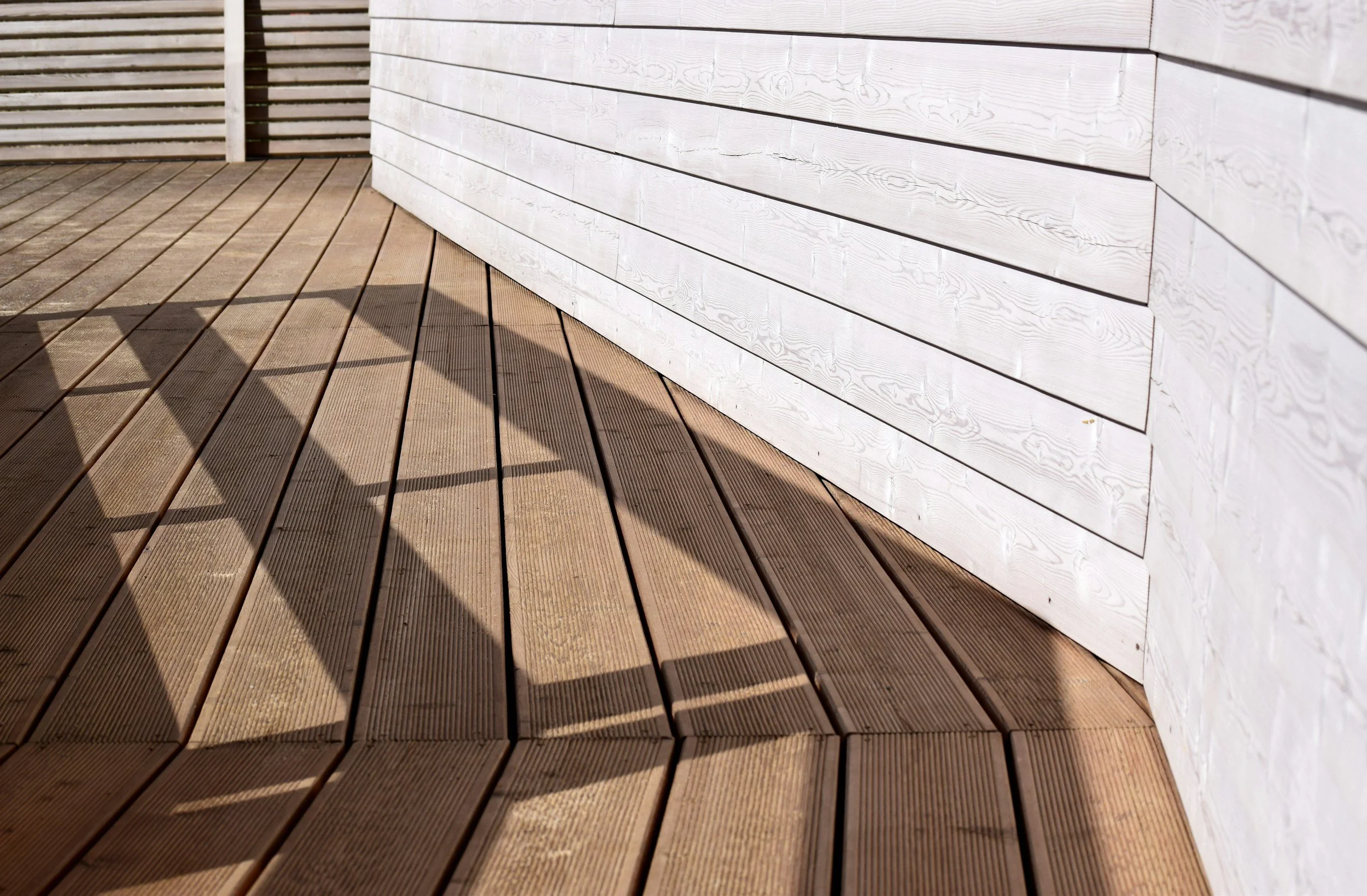
#4 Inspect Decks, Patios, and Outdoor Living Spaces
After winter, many homes develop a buildup of dirt, pollen, and mildew on exterior surfaces. Cleaning the outside of your home not only improves curb appeal but also helps protect siding and other materials from long-term damage.
Power washing siding, decks, patios, and driveways can remove built-up grime and restore the appearance of these surfaces. While cleaning, take the opportunity to inspect for cracks, loose siding panels, or areas where paint may be peeling.
Small repairs made early in the season can help prevent larger maintenance issues later in the year.
Outdoor living areas have become an increasingly important part of many homes, serving as extensions of indoor spaces for relaxation and entertaining. Taking the time to maintain these areas not only improves safety but also ensures they remain inviting and functional throughout the warmer months. Simple maintenance tasks can help preserve materials and extend the life of these outdoor features.
#5 Clean and Inspect Your Home’s Exterior
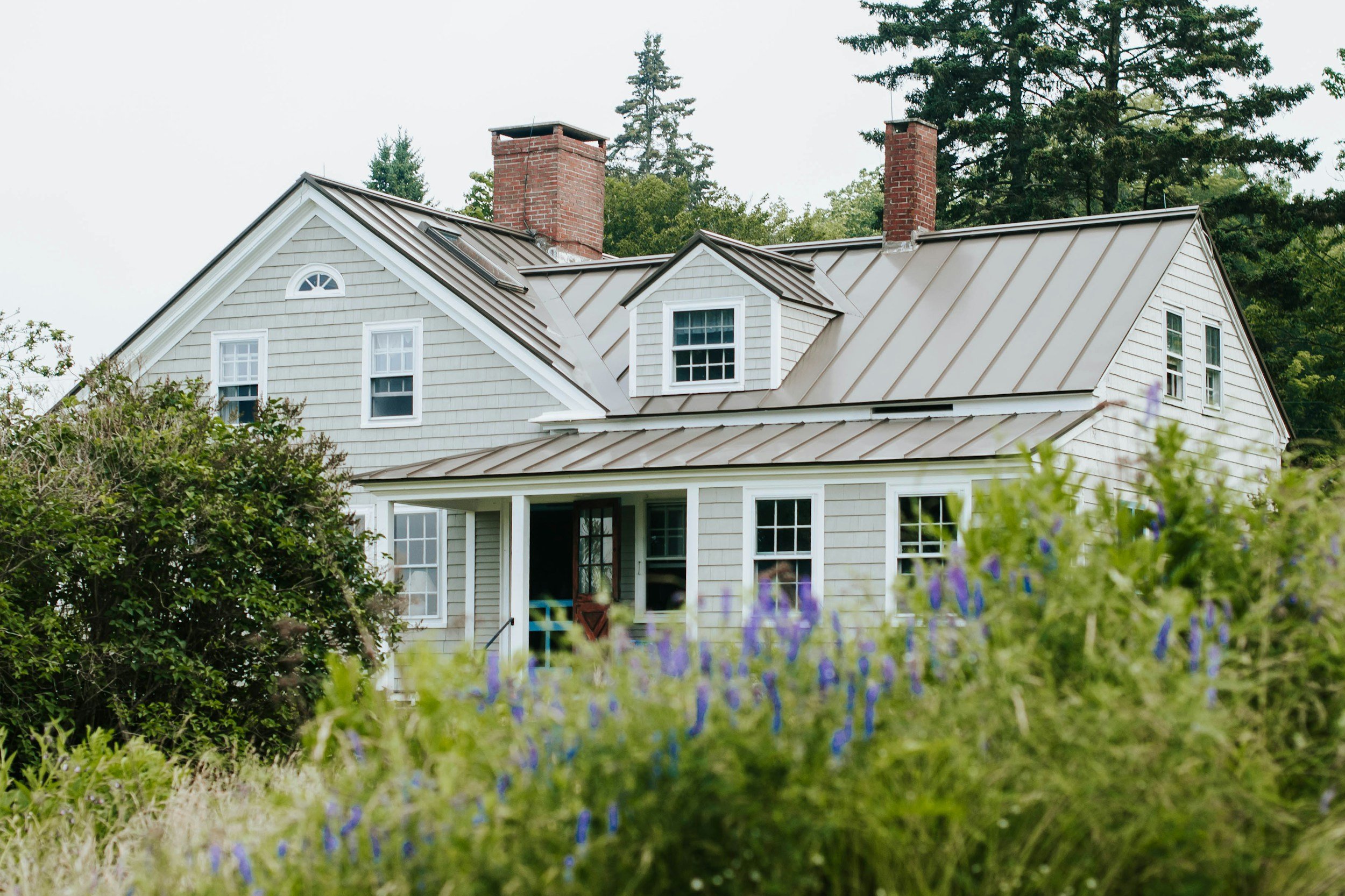
Winter and early spring can leave your home’s exterior covered in pollen, mildew, and debris. Giving your home a thorough exterior cleaning can make a big difference in both appearance and longevity.
Power washing siding, walkways, driveways, and decks helps remove dirt and algae that thrive in humid climates. Regular cleaning can also prevent long-term staining and surface deterioration.
While cleaning, take the opportunity to inspect siding, trim, and paint for signs of wear or damage. Small repairs now can help avoid larger issues down the road.
Exterior maintenance also plays an important role in protecting the structural components of your home. Moisture trapped against siding or trim can lead to wood rot or deterioration over time. By keeping surfaces clean and addressing small issues early, homeowners can maintain both the durability and visual appeal of their property for years to come.
#6 Trim Landscaping and Inspect Trees
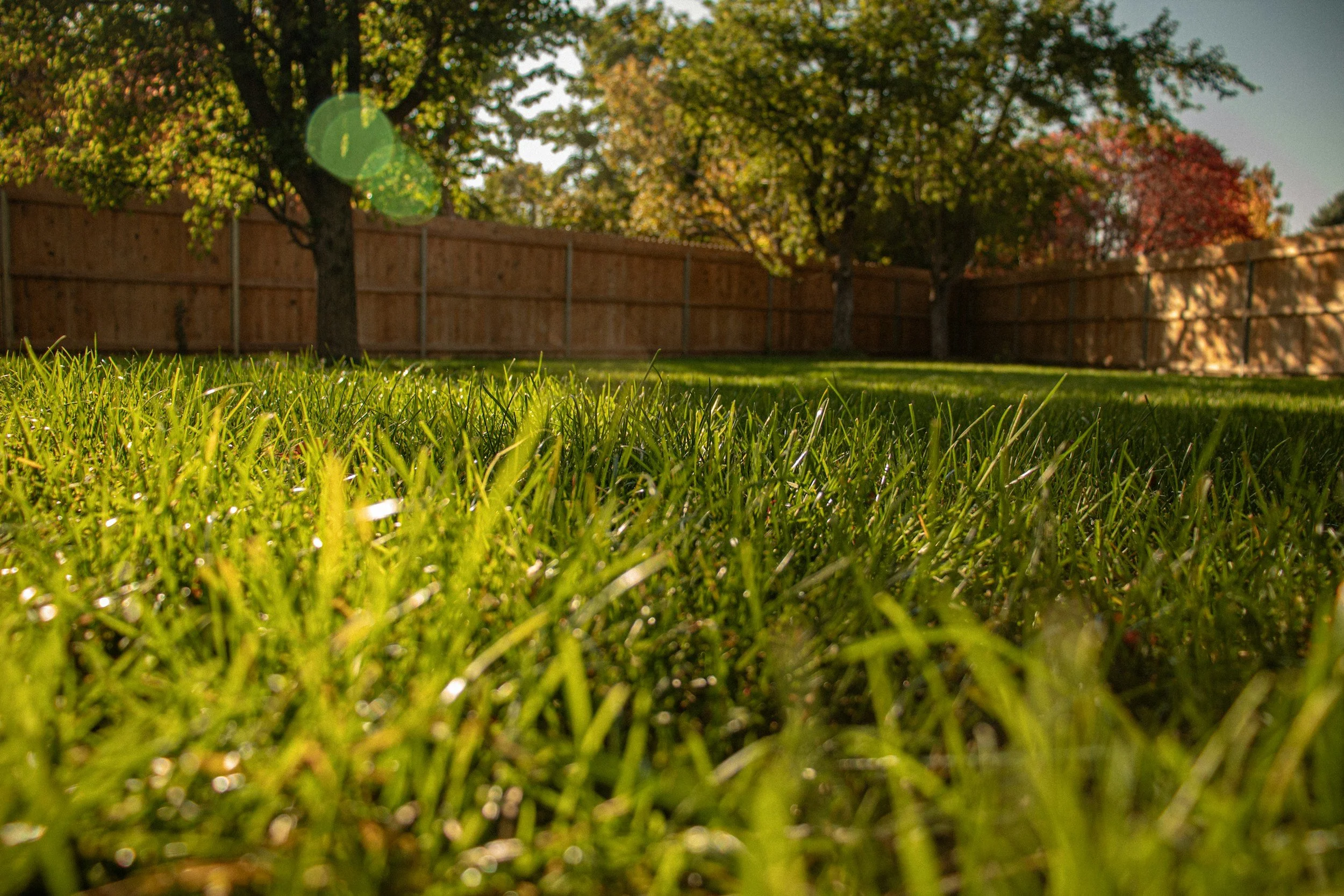
Spring growth happens quickly in North Carolina, and overgrown landscaping can create problems if it’s not maintained.
Tree branches hanging over your roof should be trimmed to prevent damage during storms. Dead limbs should also be removed to reduce the risk of falling branches during high winds.
Shrubs and plants should be kept at least a foot away from your home’s foundation to help prevent moisture buildup and pest activity near the structure.
Healthy landscaping can enhance the beauty of your home, but it should also be managed with the home’s structure in mind. Properly maintained trees and shrubs help prevent root damage to foundations, improve drainage around the home, and reduce the likelihood of branches damaging the roof during storms. Regular trimming also helps maintain a clean, well-kept appearance that contributes to overall curb appeal.
#7 Check Outdoor Plumbing and Irrigation
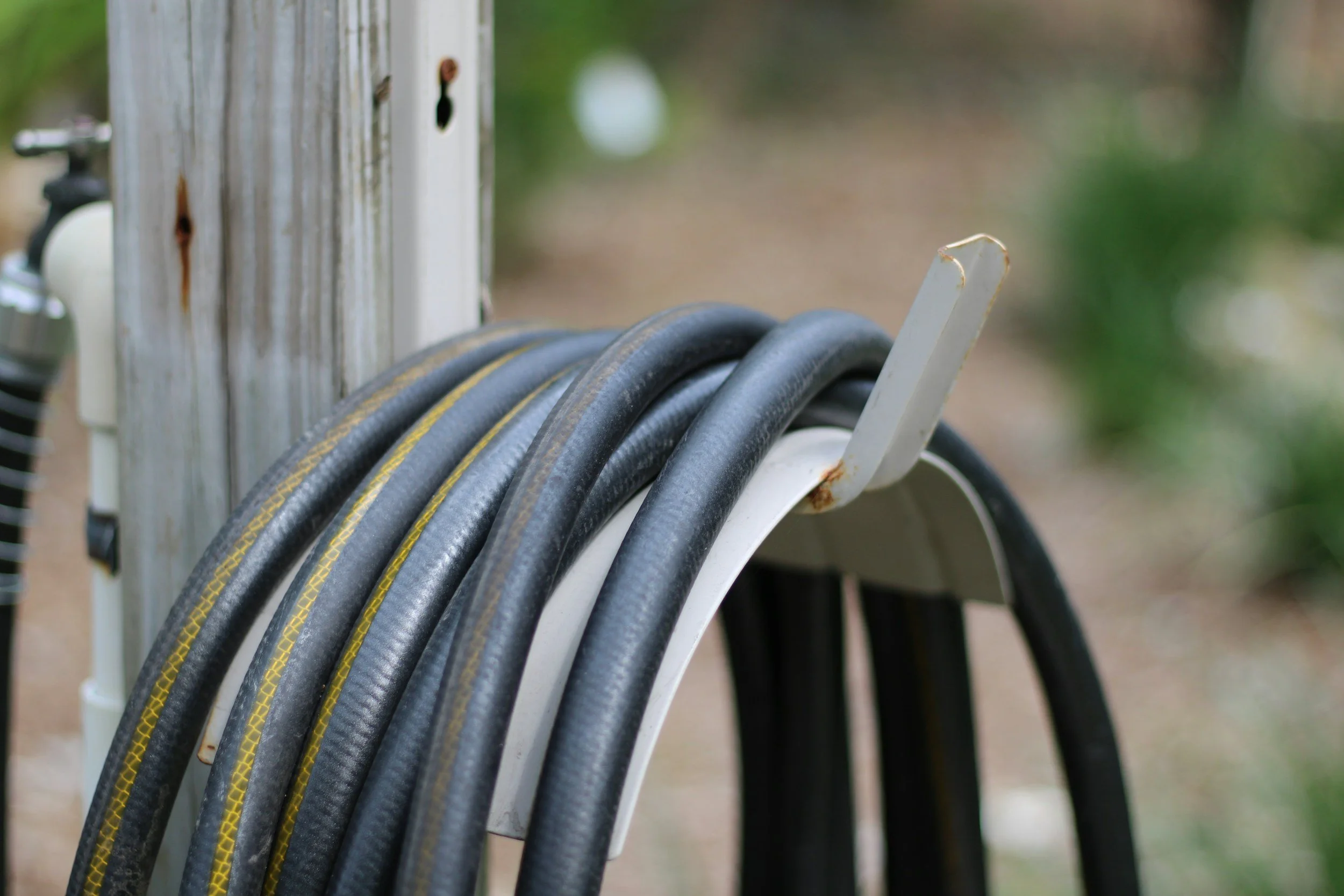
Before you start watering your lawn and garden for the season, test your outdoor faucets, irrigation systems, and hoses.
Turn on each outdoor spigot and check for leaks or reduced water pressure. Inspect hoses for cracks or damage that may have occurred during colder weather.
Running your sprinkler system early in the season also helps identify leaks or broken sprinkler heads before the summer growing season begins.
Maintaining outdoor plumbing systems early in the season can also help conserve water and prevent unexpected repairs later in the year. Small leaks in hoses, spigots, or irrigation lines can waste significant amounts of water over time. Addressing these issues early ensures your outdoor systems operate efficiently as watering needs increase during the warmer months.
#8 Inspect for Pests
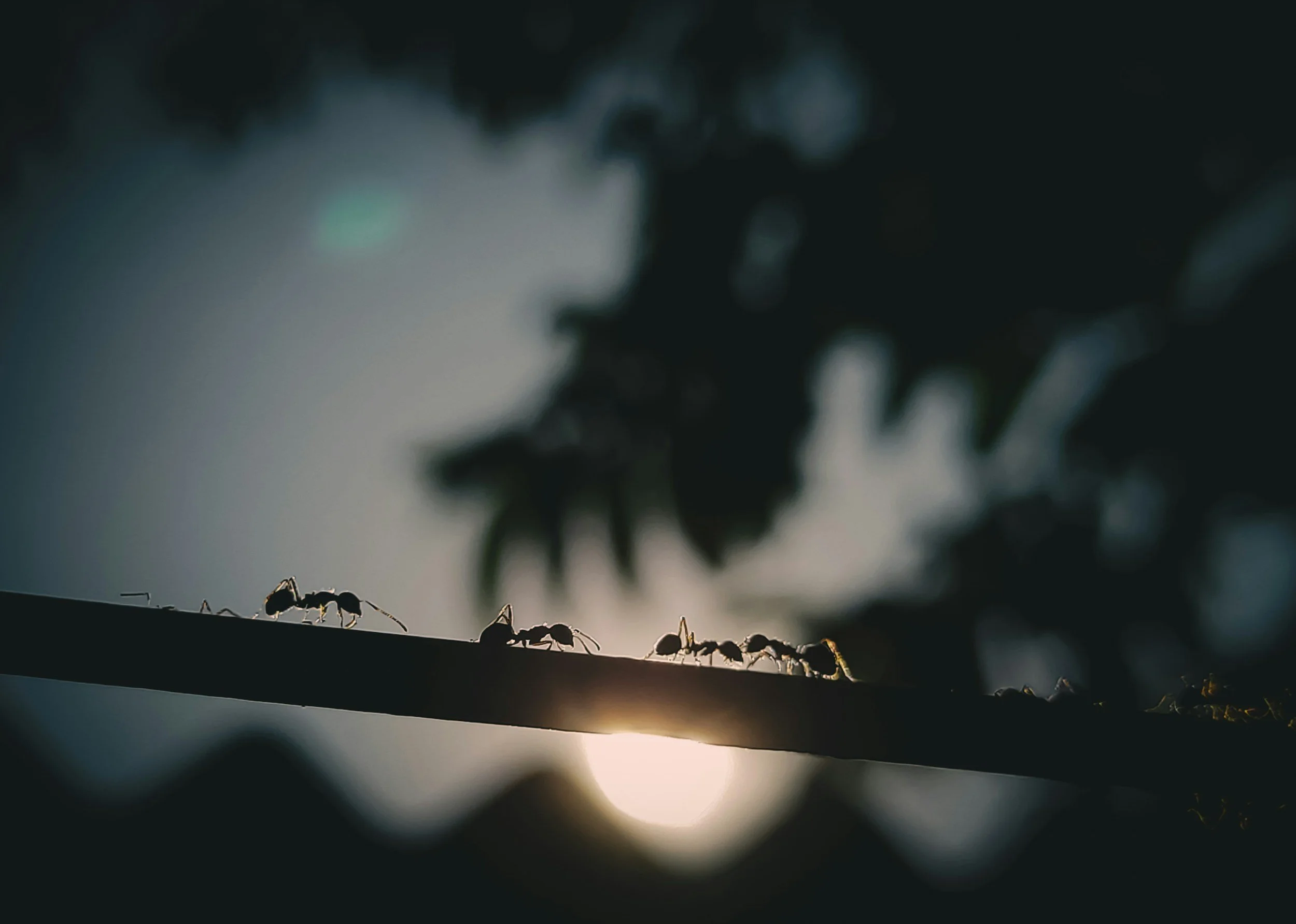
Warmer temperatures often mean increased pest activity. Termites, ants, and other insects can become active during spring, especially in wooded or humid areas.
Walk around your home’s foundation and look for signs of pest entry points, damaged wood, or mud tubes. Early detection can help prevent more serious structural damage.
If you notice signs of pest activity, contacting a pest control professional early can help protect your home before infestations become more serious
Preventative maintenance is often the most effective way to avoid pest problems. Keeping the perimeter of your home clean, sealing small openings, and addressing moisture issues can greatly reduce the likelihood of insects or rodents settling in. A proactive approach helps protect both the structure of the home and the comfort of the living environment.
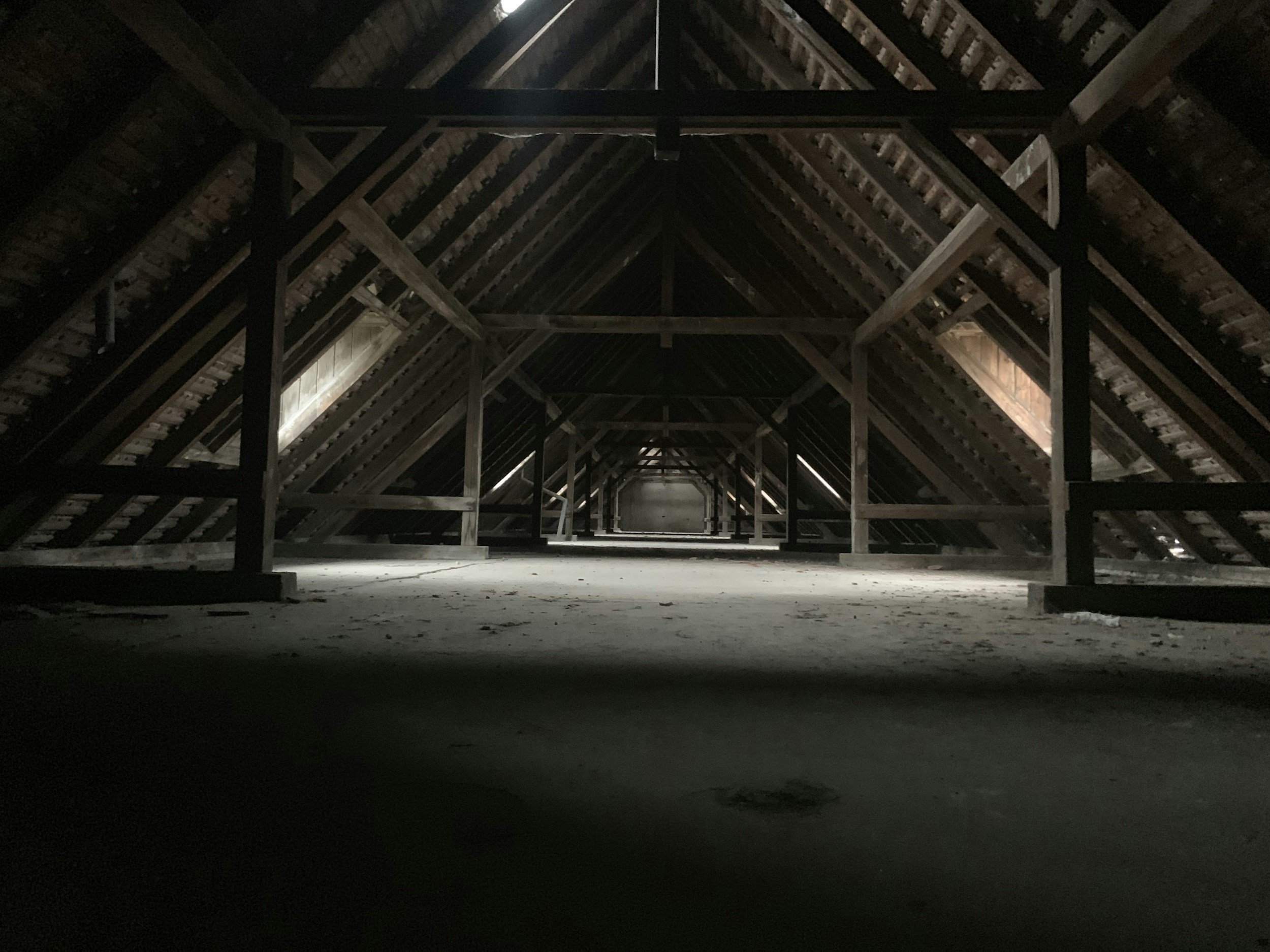
#9 Check Attics, Crawlspaces, and Moisture Levels
North Carolina’s humid climate makes moisture control particularly important. Take time to inspect your attic and crawlspaces for signs of water intrusion, mold, or damp insulation.
Look for water stains, musty odors, or areas where ventilation may be blocked. Proper airflow in these spaces helps regulate temperature and reduce moisture buildup.
Addressing moisture issues early can prevent mold growth and protect the structural integrity of your home.
Proper ventilation is one of the most important factors in maintaining these spaces. Good airflow helps regulate temperature and prevents moisture from becoming trapped in insulation or structural materials. Ensuring vents are unobstructed and insulation remains dry can help protect your home’s structure while also improving energy efficiency throughout the year.
Download Your Free Spring Maintenance Checklist
Keeping track of seasonal maintenance can feel overwhelming, which is why we created a simple printable checklist to help you stay organized.
Inside the checklist you’ll find:
✔ Exterior maintenance tasks
✔ Interior system checks
✔ Seasonal reminders for North Carolina homeowners
✔ Space to track completed projects
Get your free printable checklist by subscribing to our newsletter or entering your email. It’s a helpful guide you can revisit each year to keep your home in great condition.
Thinking About Updating Your Home This Year?
Spring maintenance often reveals opportunities to improve your home—whether it’s updating a kitchen, expanding your living space, or modernizing an older layout.
If you’re considering a home addition or remodeling project, our team would love to help you explore what’s possible.
From thoughtful design to quality craftsmanship, we work with homeowners to transform existing spaces into homes that better fit their lifestyle.
Learn more about our Home Additions & Remodeling Services here.
