
First-Timer’s Guide to Custom Home Construction in North Carolina
Building a custom home is an exciting opportunity to create a space that is truly tailored to your family, lifestyle, and vision. But if you have never built a home before, the process can also feel overwhelming. There are contractors to research, financing to consider, land and site conditions to evaluate, design decisions to make, permits to secure, and countless details to coordinate along the way.
The good news is that you do not have to figure it all out at once. In this guide, we’ll walk through the major steps involved in building a custom home in North Carolina, from choosing the right builder and understanding your financing options to preparing for your first consultation and navigating the design and construction process. If you’re preparing to build your first home, understanding the journey ahead can help you make informed decisions and approach the process with greater confidence.
1. Research and Choose the Right Custom Home Builder
Choosing the right builder is one of the most important decisions you will make during your home-building journey. Your builder will play a major role in translating your ideas into a home that is functional, well-designed, and built to the standards you expect.
Not every builder is the right fit for every project. Some specialize in particular architectural styles, project sizes, locations, or types of construction. When researching builders in North Carolina, look for companies that have experience with projects similar to the home you want to build and that understand the area where you plan to build.
What should you look for in a builder?
Consider questions such as:
Do they have experience building custom homes?
Have they completed projects similar in scope and style to yours?
Do they have experience building in your area?
How do they communicate with clients throughout the project?
What does their preconstruction and design process look like?
Can they provide references or examples of previous work?
Are they properly licensed and insured?
How transparent are they about budgets, contracts, and timelines?
While it is possible to coordinate a home build without a general contractor, most homeowners benefit from working with an experienced custom home builder. A reputable builder brings established relationships with subcontractors and suppliers, knowledge of the construction process, and experience coordinating the many moving parts involved in a build.
For homeowners, that can mean fewer details to manage themselves, better coordination between trades, and a more structured path from concept to completion.
The right builder can make the difference between simply constructing a house and creating a home that is thoughtfully designed, well executed, and built to last.
We have also created a more detailed guide on how to find the right custom home builder in North Carolina, including questions to ask and factors to consider when comparing builders.
2. Understand Your Financing Options
Before construction begins, it is important to understand how you plan to finance both the land and the construction of your home.
For some homeowners, paying cash may be an option. Paying for the project upfront can eliminate mortgage interest and monthly loan payments, but it is not a realistic option for every family.
For many buyers, financing will be part of the process.
A mortgage is a loan from a bank or lender that allows you to borrow money to purchase a home and repay the loan over time with interest. Mortgage options can vary depending on factors such as your income, credit history, existing debt, employment history, down payment, current interest rates, and the lender you choose.
When building a custom home, financing can look somewhat different from purchasing an existing home. Depending on your circumstances and the lender, you may need a construction loan or another financing structure designed specifically for new construction.
Because every project and financial situation is different, it is worth speaking with a knowledgeable lender early in the process. A local mortgage professional can help you understand what financing options may be available and what you may need to prepare before moving forward.
Learn More About Home Financing
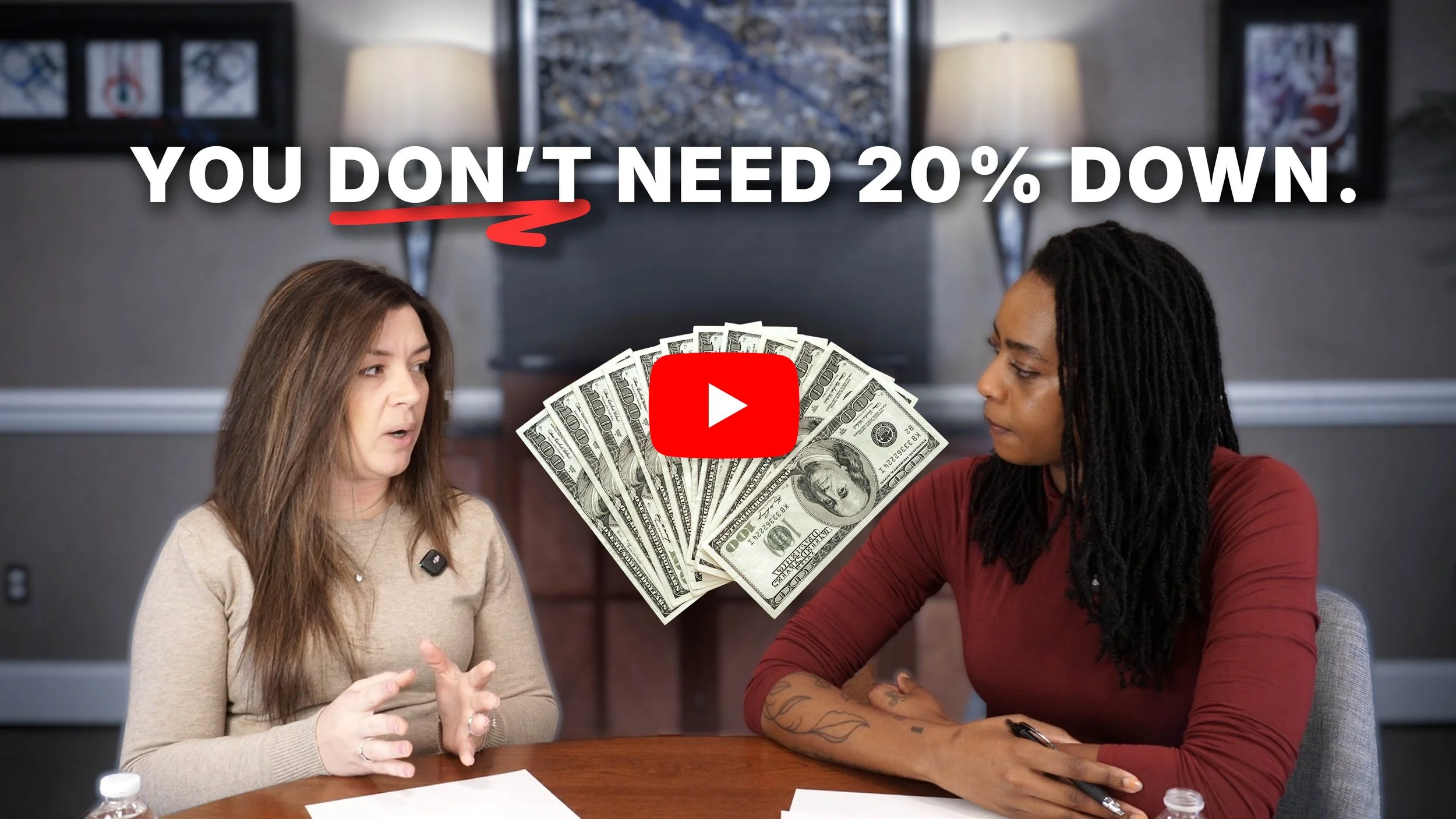
We sat down with mortgage loan officer Maggie Renuart to break down the home financing process in simple terms.
In our YouTube conversation, we discuss common mortgage myths, what lenders actually look for, how much money you may need to buy a home, and what first-time buyers should know before getting started.
3. The Costs to Consider Before Building
One of the most important things first-time home builders can do is understand that the cost of a home extends beyond the construction itself. When purchasing land and building a home in North Carolina, there can be costs associated with both acquiring the property and developing it.
Depending on your situation, expenses may include:
Land purchase
Closing costs
Legal fees
Home inspections
Recording fees
Site preparation
Permits
Utility connections
Landscaping
Driveways and other site improvements
Your ongoing costs as a homeowner can also include:
Property taxes
Homeowners insurance
Utilities
HOA fees, where applicable
Maintenance
Repairs
Landscaping
Other property-related expenses
The exact costs will vary depending on the property, location, size and complexity of the home, financing arrangements, and your individual circumstances. That is why early planning is so important. Understanding the difference between your construction budget and the total financial commitment of purchasing land, building, and maintaining a home can help you make more informed decisions.
4. Reach Out to Your Builder
Once you have identified builders who appear to be a good fit, it is time to start the conversation. And importantly, you do not need to have everything figured out before you reach out. You may not have final architectural plans. You may not have selected every finish. You may not even have purchased your lot yet. That is okay. An initial conversation is an opportunity to share what you are thinking and begin determining what your project could look like.
When you contact a builder, helpful information can include:
Where you are hoping to build
Whether you already own a lot
The approximate size or type of home you envision
Your desired timeline
Whether you are considering a multi-generational or family compound
Any inspiration, floor plans, or images you have collected
Your general expectations for the project
At Roll Construction, prospective clients can reach out by phone, email, through Google, or through our website. From there, we will learn more about your goals and determine the appropriate next steps. You do not need to arrive with all the answers. As your builder, we help you turn an initial vision into a project that can be planned, priced, and built.
4. The Start of Your Project
Consultation and Discovery
Your first consultation is an opportunity to talk through your ideas, goals, property, and expectations with your builder. You do not need to walk into your first meeting with a completed set of architectural drawings. Instead, come prepared to talk about how you want to live in the home. Photos, Pinterest boards, saved Instagram posts, sketches, and floor plans can also be helpful. They give your builder a better understanding of your taste and priorities. At Roll Construction, our consultation and discovery process begins with listening. We want to understand your goals, expectations, property, and vision before moving forward. From there, we can conduct a site visit to assess existing conditions and gather important information about the property. Once we are aligned on the project, we formalize our partnership through a Design/Preconstruction Contract. Throughout the process, project information and communication are organized through tools such as JobTread, giving clients a clear and transparent view of project information and progress.
Concept Design
Once your goals and the property's existing conditions have been established, your ideas can begin taking shape. During concept design, we develop design concepts that respond to your vision, lifestyle, property, and project requirements. This is a collaborative stage. You will have opportunities to evaluate options, provide feedback, and refine the concept before moving forward. Once the concept is approved, detailed quoting plans can be prepared so that bids can be obtained from subcontractors and suppliers. The goal is to move from inspiration and ideas toward a clear concept that can be thoughtfully planned and eventually built.
Design Development and Planning
With the concept established, the project moves into greater detail. At this stage, a preliminary budget can provide a clearer understanding of the project's scope and anticipated costs. Once the project moves forward, construction drawings, materials, finishes, and other important details are developed. This is where many of the decisions that make a home feel personal begin to come together. Special considerations are also evaluated and incorporated into the plans. The goal is to make important decisions thoughtfully and early, rather than leaving major choices until construction is already underway.
Construction and Delivery
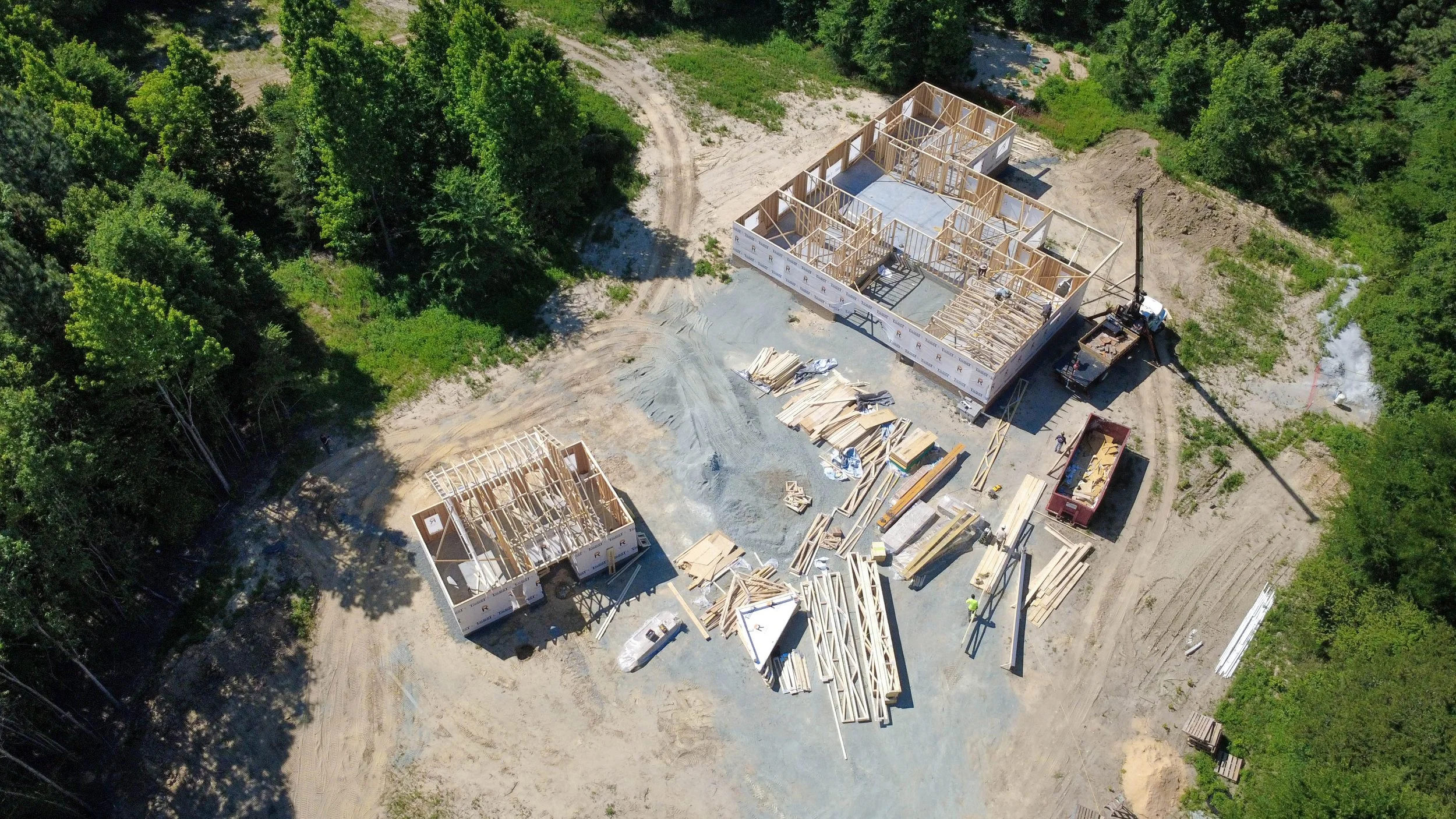
Once the plans are finalized, approvals are secured, and the necessary permits are in place, construction can begin. Your builder coordinates the many moving parts involved in bringing the plans to life, including subcontractors, suppliers, materials, inspections, scheduling, and construction activities. Throughout construction, communication remains an important part of the experience. At Roll Construction, clients stay informed through regular site meetings and project updates. As construction approaches completion, the project enters the final stages. At substantial completion, you and your builder can walk through the home together, identify any remaining punch-list items, and work through them before the finished project is delivered. Then comes the part every homeowner has been waiting for: Welcome home.
You can read more about what each of these stages entails on our project roadmap page.
Is Custom Home Building Right for You?
Building a custom home is a significant undertaking, but it also offers something an existing home cannot always provide: the opportunity to create a home around the way you actually live. You can make decisions about the layout, materials, spaces, functionality, and details from the beginning rather than adapting an existing home to fit your needs. For families who value personalization, thoughtful design, and the ability to create a home for the years ahead, a custom build can be an incredibly rewarding experience. The process does not have to be overwhelming. With thoughtful financial planning, a clear vision, and the right team of professionals around you, you can move through each stage with greater confidence and ultimately create a home that is uniquely yours.
Ready to Start Planning Your Custom Home?
If you are considering building a custom home in North Carolina, you do not need to have everything figured out before starting the conversation. At Roll Construction, we work with homeowners throughout Alamance, Durham, Orange, Chatham, and Caswell Counties to bring thoughtfully designed custom homes to life.
Have an idea for your future home? Let's talk about it.
