
9-10 min read.
Thinking about making North Carolina your next home? It's easy to see the appeal. The state offers a mix of growing cities, established suburbs, small towns, rural communities and beautiful natural surroundings. You can enjoy the convenience of city amenities while still finding quieter neighbourhoods, larger properties and room to spread out.
But moving to a new state involves more than finding a house you like. Where you choose to live can influence your commute, monthly expenses, access to amenities and the kind of community you become part of.
Whether you're relocating for work, looking for a change of pace or hoping to put down roots somewhere new, here's what to consider before making the move to North Carolina.

Get to Know North Carolina's Different Regions
One of the first things to understand about North Carolina is that it isn't one-size-fits-all. The state is generally divided into three geographic regions: the Mountains in the west, the Piedmont in the center and the Coastal Plain in the east. Each has its own landscape, pace of life and character.

The Mountains
Western North Carolina is known for its mountain scenery, outdoor recreation and smaller communities. Areas around Asheville, Boone and Hendersonville offer access to hiking, scenic drives and mountain-town living. If you enjoy cooler mountain weather and being close to nature, this region may be worth exploring.
The Piedmont
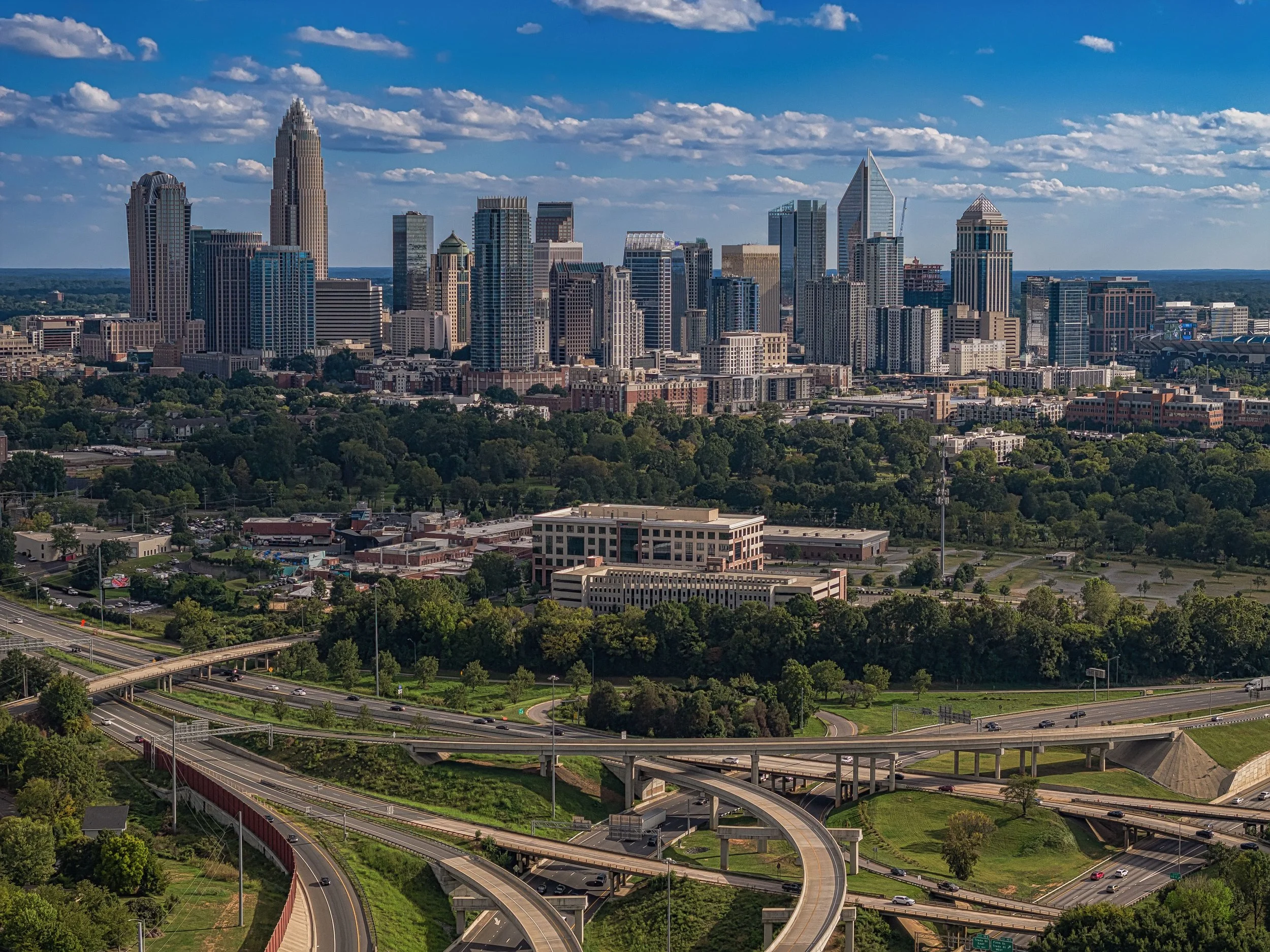
Central North Carolina, known as the Piedmont, offers a balance of urban convenience and smaller-town living. It includes major cities such as Charlotte, Raleigh, Durham, Greensboro and Winston-Salem, along with many surrounding communities.
This is where you'll find the Triad and Triangle regions, two major economic and cultural hubs. The area between them is also home to towns that offer a quieter residential setting while remaining within reach of larger employment centers, shopping, healthcare and entertainment.

The Coastal Plain
Eastern North Carolina offers a different pace, with coastal communities, beaches, waterways and more rural areas. Cities such as Wilmington and New Bern provide access to coastal living, while communities further inland have their own distinct character.
Before deciding where to settle, consider what matters most to your household. Your ideal location will depend on how you want to spend your everyday life.
Understanding the North Carolina Housing Market
North Carolina offers a wide variety of housing options, from city apartments and established suburban homes to new construction, rural properties and custom-built houses.
However, housing costs can vary considerably depending on the location, property size, age, condition and proximity to major employment centers.
Larger metropolitan areas and highly sought-after communities may come with higher property prices, while some smaller towns offer different price points and more space. It's worth comparing several locations rather than assuming that one city or region represents the entire state.
Renting Before Buying
If you're unfamiliar with the area, renting initially can be a useful way to get to know different communities before committing to a purchase.
It gives you time to explore commute routes, local amenities, neighbourhoods and the general feel of an area. You may discover that the town you originally had in mind isn't quite the right fit, or that a nearby community offers more of what you're looking for.
Buying an Existing Home
Existing homes can offer established neighbourhoods, mature trees, finished landscaping and the convenience of moving into a property that's already built.
When viewing properties, look beyond the photographs and consider the age and condition of major systems, the roof, windows, heating and cooling equipment, drainage and any renovations that may be needed.
A home that appears affordable at first glance may require additional investment after closing.
If you'd like to get a feel for the homes and residential projects being built in the region, explore Roll Construction's residential projects.
Building a Custom Home
If you're struggling to find a home that meets your needs, building may be another option.
A custom home gives you the opportunity to plan the layout, features and finishes around your household rather than adapting to an existing floor plan. It can also be an option if you've found a property or piece of land in an area where you'd like to settle.
Building comes with its own considerations, including land suitability, permits, site preparation, utilities, design decisions and construction timelines. It's important to understand these factors before purchasing land or beginning the process.
If you're exploring this route, our guide to custom home building with Roll Construction is a good place to start. You can also explore our project roadmap to understand the stages involved in bringing a custom home from an initial idea to completion.
What Does It Cost to Live in North Carolina?
North Carolina is often considered an attractive option for people looking to balance housing, everyday expenses and quality of life. However, your actual cost of living will depend heavily on where you settle and how you choose to live.:
One detail worth remembering is that property ownership costs can differ significantly from one county or municipality to another. Property taxes, insurance costs and utility arrangements should all be investigated for the specific property you're considering.
If you're comparing North Carolina with another state, use your expected salary, housing budget and transportation needs to build a realistic monthly estimate. A lower purchase price doesn't necessarily mean lower overall living expenses if the property requires extensive maintenance or a long daily commute.
Find out how much you can afford to invest in a home using our FREE Home Affordability Calculator →
Finding the Right Community
Choosing a community is just as important as choosing a house. North Carolina has a wide range of towns and neighborhoods, each offering a different combination of convenience, character and lifestyle. If you're considering Central North Carolina, here are a few areas worth getting to know.
The Triangle: Raleigh, Durham and Chapel Hill
The Triangle is a major center for education, healthcare, research and technology. It offers a wide range of employment opportunities, universities, restaurants, cultural attractions and established residential communities.
Raleigh offers a mix of urban and suburban living, while Durham has a distinct character shaped by its history, food scene and arts community. Chapel Hill is closely associated with the University of North Carolina and offers a well-established university-town atmosphere.
The Triad: Greensboro, Winston-Salem and High Point
The Triad offers a combination of established cities, residential neighbourhoods and smaller surrounding communities.
Greensboro is known for its parks, universities, shopping and cultural attractions. Winston-Salem has a strong arts and historic identity, while High Point is internationally recognised for its furniture industry.
For those looking for a more relaxed residential setting without being too far from city amenities, the surrounding towns are worth exploring.

Alamance County: Graham, Burlington and Beyond
Situated between the Triad and Triangle, Alamance County is an area worth considering if you're looking for a balance between accessibility and small-town community life. This is the county Roll Construction is rooted in, building homes for local and incoming families and actively participating in and learning about the community.
Burlington offers shopping, restaurants, healthcare and everyday conveniences, while Graham has a historic downtown and a growing mix of residential options. Surrounding communities Like Gibsonville and Mebane offer a variety of neighbourhoods, from established residential areas to properties with more land and space.
One of the advantages of exploring this part of the state is the ability to consider different lifestyles without limiting your search to a major city. When comparing communities, take time to visit at different times of the day. Explore local shops, parks, restaurants and grocery stores. Drive the routes you'll use regularly and get a feel for the neighbourhood beyond the property listing.
You can also visit our Video Resource Hub for a closer look at local projects, homes and the building process. It's a useful way to get familiar with the kind of residential development and construction happening in the region.
The Climate: What to Expect Throughout the Year

North Carolina experiences four distinct seasons, although the weather can feel quite different depending on which part of the state you call home.
In the Piedmont, summers are generally hot and humid, while winters are typically cooler and milder than those in many northern states. Spring and autumn bring more moderate temperatures, making them popular seasons for enjoying the outdoors.
A few things to prepare for:
Summer humidity: Warm temperatures and humidity make effective air conditioning important for everyday comfort.
Seasonal pollen: Spring can bring significant pollen, which may be noticeable if you're sensitive to seasonal allergies.
Storms and heavy rainfall: Thunderstorms are common during warmer months, and periods of heavy rain make drainage and property grading important considerations.
Winter weather: Snow and ice do occur, but conditions vary by region and are generally less consistent in the Piedmont than in the mountains.
If you're purchasing a home, pay attention to how the property handles rainwater, the condition of the roof and gutters, and the performance of its heating and cooling systems. These practical details can make a meaningful difference to your comfort and ongoing maintenance.
Getting Around: Transportation and Commutes
Your location in North Carolina can have a significant impact on how you get around. Some larger cities have public transportation options, but many suburban and rural communities are largely car-dependent. If you're moving from somewhere with extensive public transport, this is an important adjustment to factor into your budget.
Major highways connect many of the state's cities and towns. In Central North Carolina, routes such as I-40, I-85 and I-73 help connect communities across the Piedmont.
However, being close to a highway on a map doesn't always mean having a short or predictable commute. Traffic, road access, school schedules and your specific destination all matter.
Before choosing a property, consider:
→ How far you'll travel to work or school.
→ Whether your route involves busy highways or local roads.
→ How close you are to grocery stores, healthcare and other regular destinations.
→ Whether public transportation is available if you need it.
→ How much time you'll realistically spend driving each week.
A home that offers more space or a larger garden may be worth the extra drive for some households. For others, being closer to work and everyday amenities will be a higher priority
A Few Things to Know Before You Buy or Build
This is where a little local knowledge can go a long way. Two properties that look similar online can have very different practical considerations once you start investigating them.
If you're buying an existing home or considering land for a future build, here are a few things worth checking.
Check the property's utilities.
Not every property is connected to municipal water and sewer. Some homes and vacant lots rely on private wells and septic systems. If you're considering a rural property, confirm what services are available and what installation or maintenance may involve.
Understand zoning and land restrictions.
Before purchasing land, investigate zoning, setbacks, easements, deed restrictions and any HOA or community requirements. These can affect what you're allowed to build, where a house can sit on the property and how the land can be used.
Look into drainage and soil conditions.
A property's appearance doesn't always tell you whether it's suitable for construction. Soil conditions, topography, drainage and septic suitability can all influence what is possible and how much site preparation may be required.
Check internet and mobile coverage.
If you work remotely or rely on a reliable internet connection, verify service availability at the specific address. Coverage can vary between neighbourhoods and rural areas.
Understand the full cost of property ownership.
Remember to account for property taxes, insurance, utilities, maintenance and potential HOA fees. If you're building, also consider land preparation, utility connections, permits and other site-related costs. Use our home affordability calculator for a rough estimate of what that looks like for you and your family.
These are not necessarily reasons to avoid a property. They're simply important details to understand before making a commitment.
If you're considering purchasing land and building, our custom home building guide can help you understand the process and the decisions involved.
Building a Sense of Community
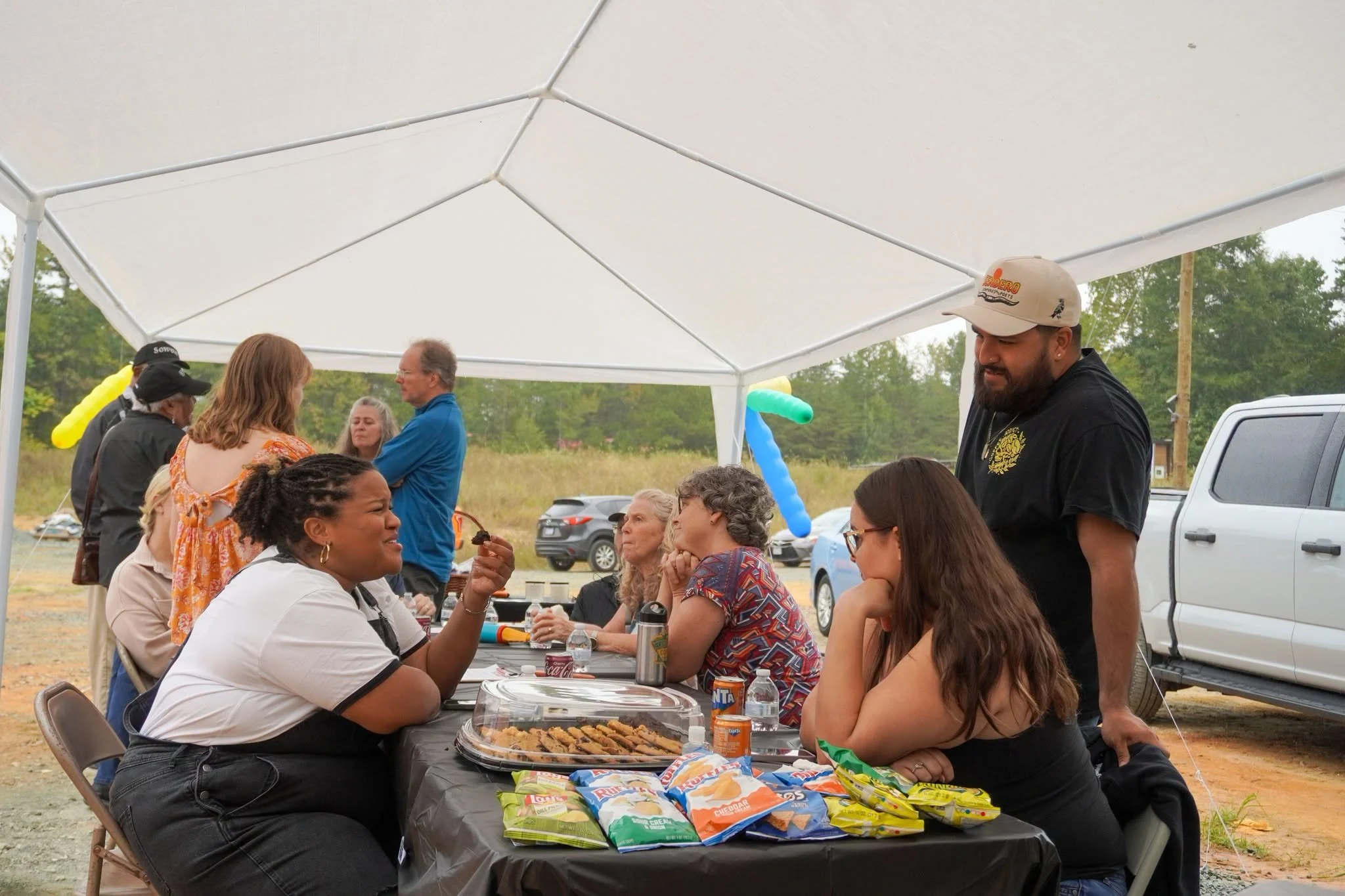
Moving somewhere new can be exciting, but settling in takes time. Finding your favourite coffee shop, getting to know your neighbours and discovering local events are all part of making a new place feel like home.
North Carolina communities offer plenty of opportunities to get involved, from farmers' markets and local festivals to arts organisations, community events, recreational leagues and volunteer initiatives.
In smaller towns, local businesses and community organisations often play an important role in bringing people together. In larger cities, you'll find a wider range of neighbourhood groups, cultural events and interest-based communities.
A good way to start is to explore beyond the main shopping areas. Visit local parks, independent businesses, libraries and community events. These experiences can give you a much better sense of a place than a quick drive through a neighbourhood.
And don't feel that you have to figure everything out immediately. Getting settled is a process, and part of the fun is discovering the places and people that make your new community feel familiar.
For more local insights, project updates and news from the communities we work in, sign up for the Roll Construction newsletter. It's a simple way to stay connected and keep up with what's happening around the region.
A Moving to North Carolina Checklist
Before making the move, use this checklist to keep the practical details in view:
Making North Carolina Feel Like Home
North Carolina offers plenty of possibilities, whether you're drawn to the energy of a growing city, the convenience of suburban living or the quieter pace of a smaller community.
The key is finding the right combination of location, home and lifestyle for your household. Take the time to explore different areas, understand the practical costs and ask questions before making major decisions.
And if your plans involve building a home, choosing the right location is only the beginning. Understanding the land, planning around your needs and working with a knowledgeable local team can help set your project up for success.
At Roll Construction, we're proud to be part of the Central North Carolina community. From custom homes to residential projects, we enjoy helping homeowners find the right fit and bring their ideas for home to life.
Thinking about making Central North Carolina your home? Explore our residential projects, learn more about our custom home building services, or get in touch with our team to start a conversation.
And for more local updates, homebuilding insights and news from the communities we serve, subscribe to the Roll Construction newsletter.
